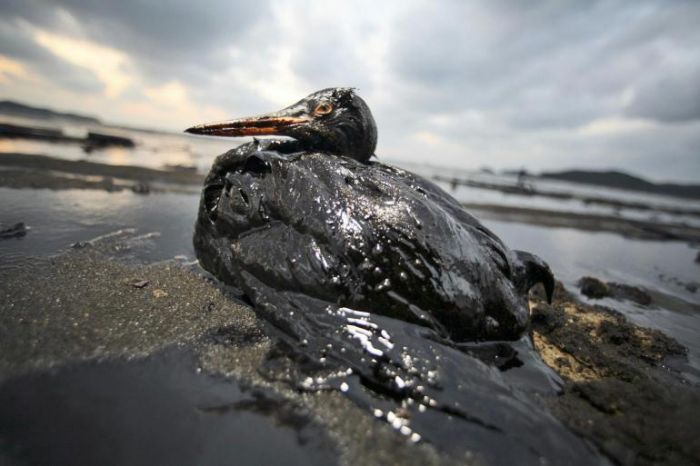
Images of environmental destruction, animal exploitation, and the transformation of natural habitats. This gallery begins with ten examples from the original Italian archive Immagini di cui vergognarsi. The collection reflects the author’s interpretation through Cancerism; historical images and captions are not presented as a current statistical survey.
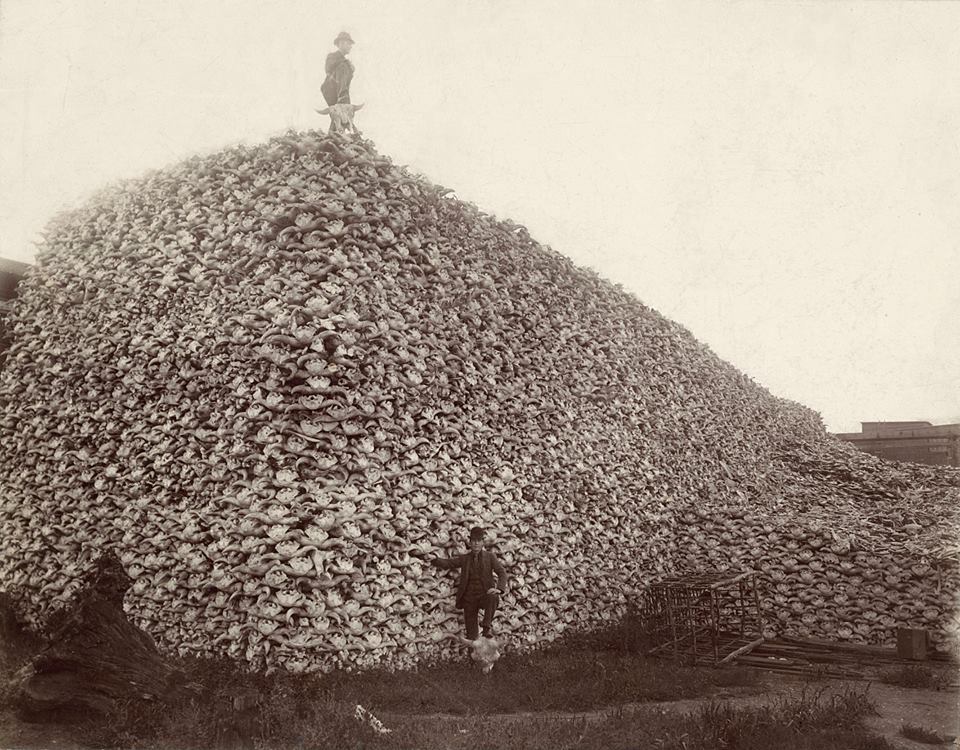
1. The Slaughter of the American Bison
A historical photograph of a mountain of bison skulls. The destruction of bison herds was bound up with the conquest of the American West and the dispossession of Indigenous peoples.
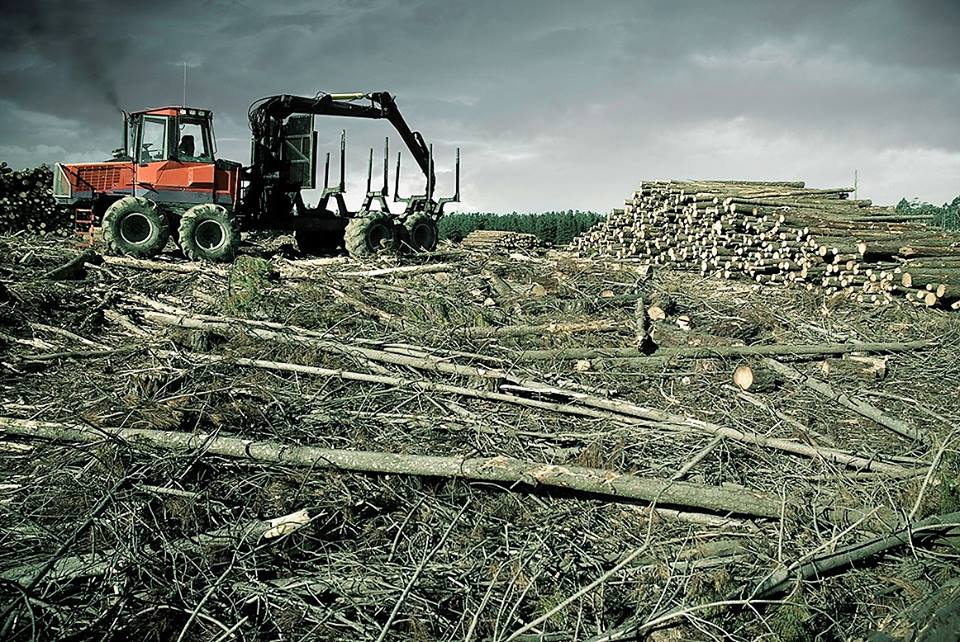
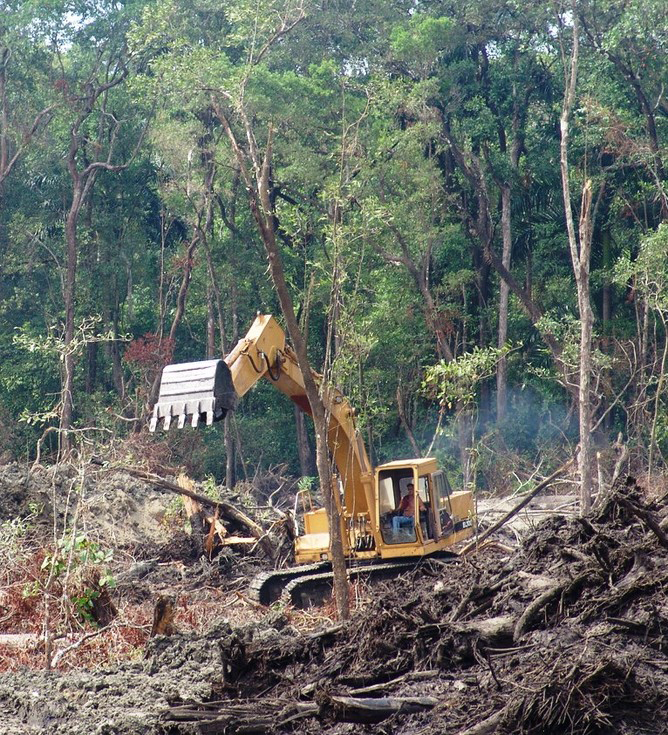
2. Deforestation
The destruction of forests threatens ecosystems throughout the world. The original commentary recalls clear-cutting and forest loss from South America to Southeast Asia.
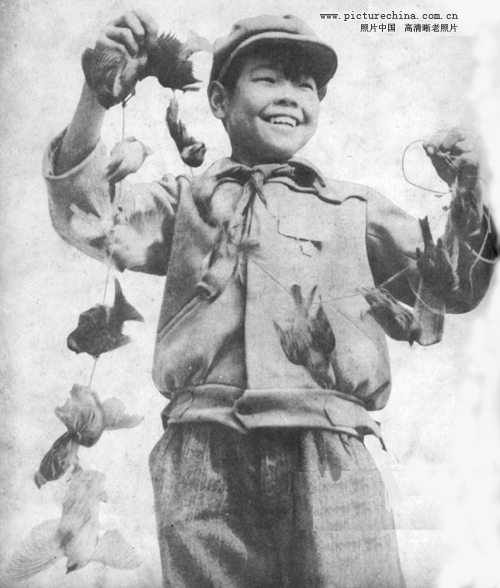
3. China’s Anti-Sparrow Campaign
In 1958 the Chinese government mobilized large numbers of people to kill sparrows regarded as threats to grain production. The campaign is an example of an intervention that disregarded ecological interdependence.
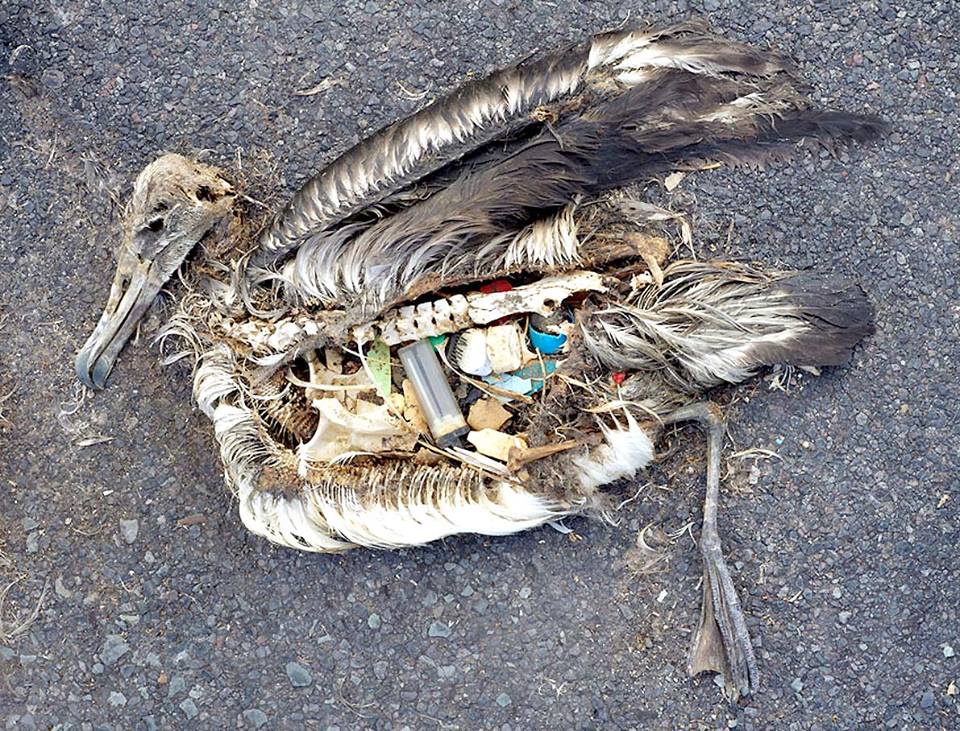
4. The Age of Plastic
Plastic became a symbol of twentieth-century industrial ingenuity. Its persistence in ecosystems and accumulation in land and water became an enduring source of environmental damage.
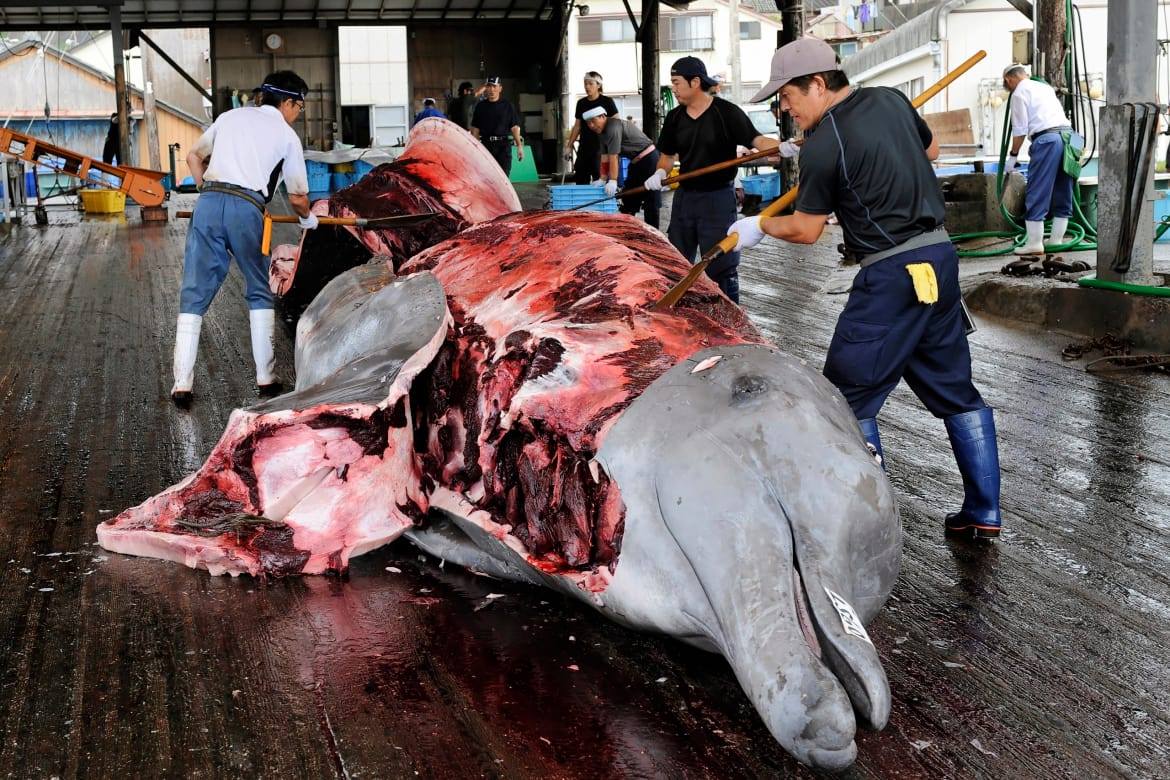
5. Industrial Whaling
Commercial whaling killed large numbers of whales to supply food, oil, and other products, continuing on an industrial scale well into the twentieth century.
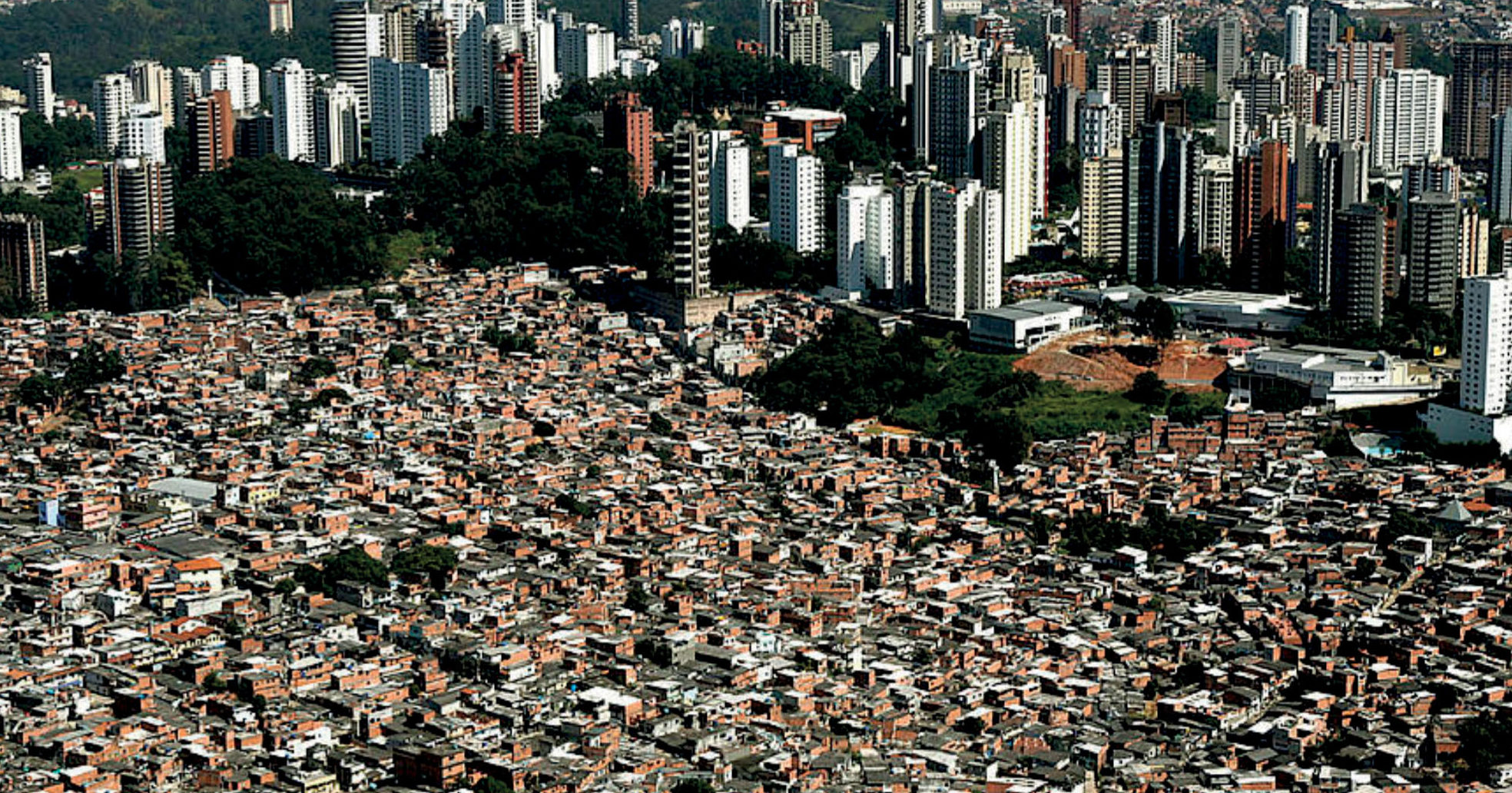
6. The Spread of Megacities
A growing share of humanity lives in cities. The photograph illustrates the scale of urban expansion and the corresponding transformation of land and ecosystems.

7. Urban Slums
The growth of large urban centers has also produced vast areas of precarious housing. The original essay presents affluent skyscraper districts and impoverished settlements as two sides of the same process of urbanization.
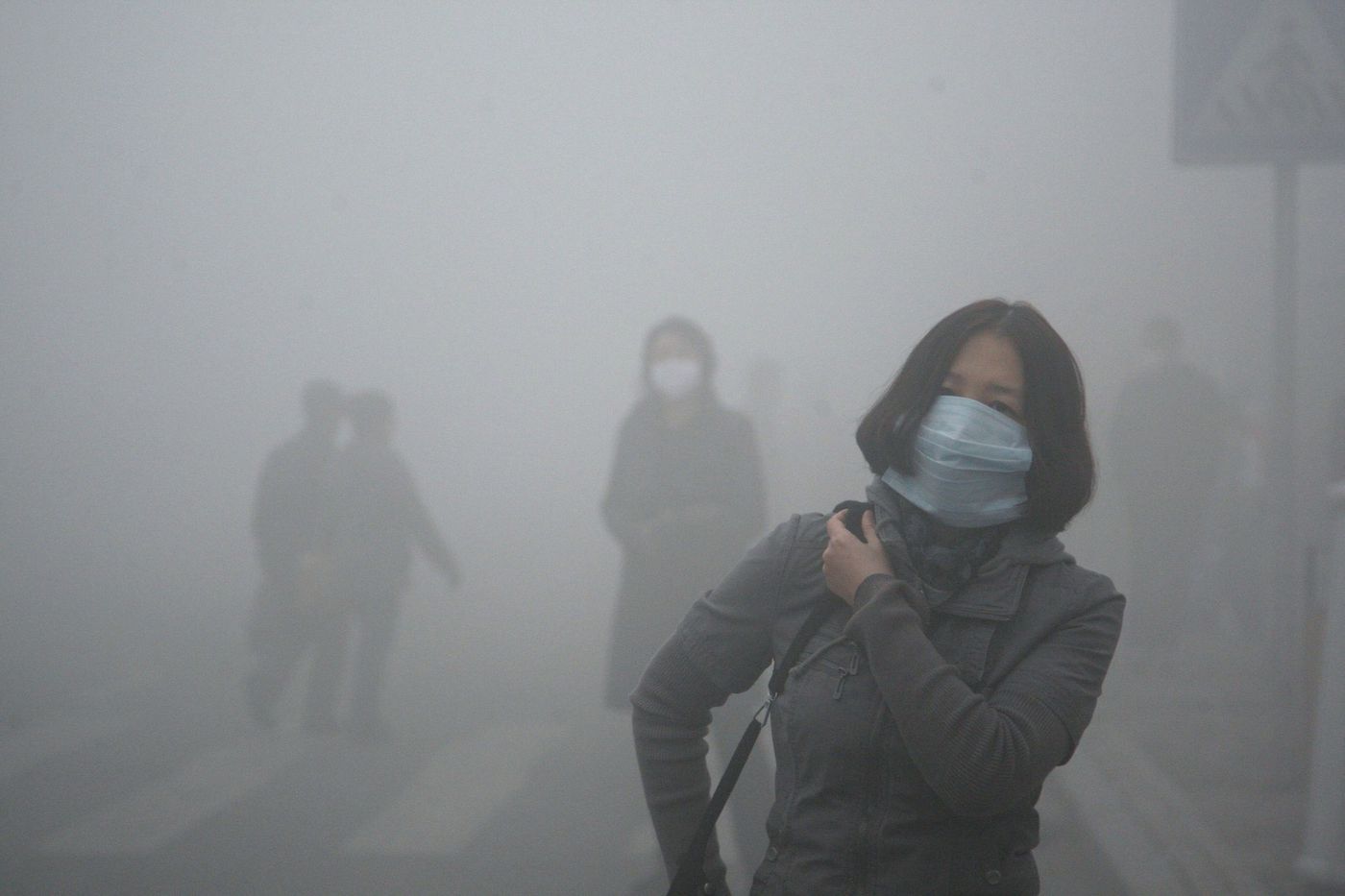
8. The Air We Breathe
Air pollution in major cities exposes human populations and other living beings to the emissions of intensive transport, industry, and energy production.
9. Mangrove Destruction
Mangrove forests shelter coastal ecosystems, sustain marine life and protect shores. Their removal to make way for aquaculture, including shrimp farming, illustrates the ecological cost of commercial expansion.
10. Oil and Its Consequences
The fossil-fuel industry rapidly spread after the drilling of early commercial oil wells in the nineteenth century. The original essay uses the history and consequences of petroleum extraction as a symbol of the damage caused by industrial progress.