This historical gallery adapts the seven-part Italian series Le grandi metastasi. It interprets the spread of empires, colonial expansion, forced migration, and global networks through Cancerism’s comparison between the expansion of human civilization and the metastasis of malignant cells. The accounts express the author’s philosophical interpretation of historical events.
1. The Roman Empire
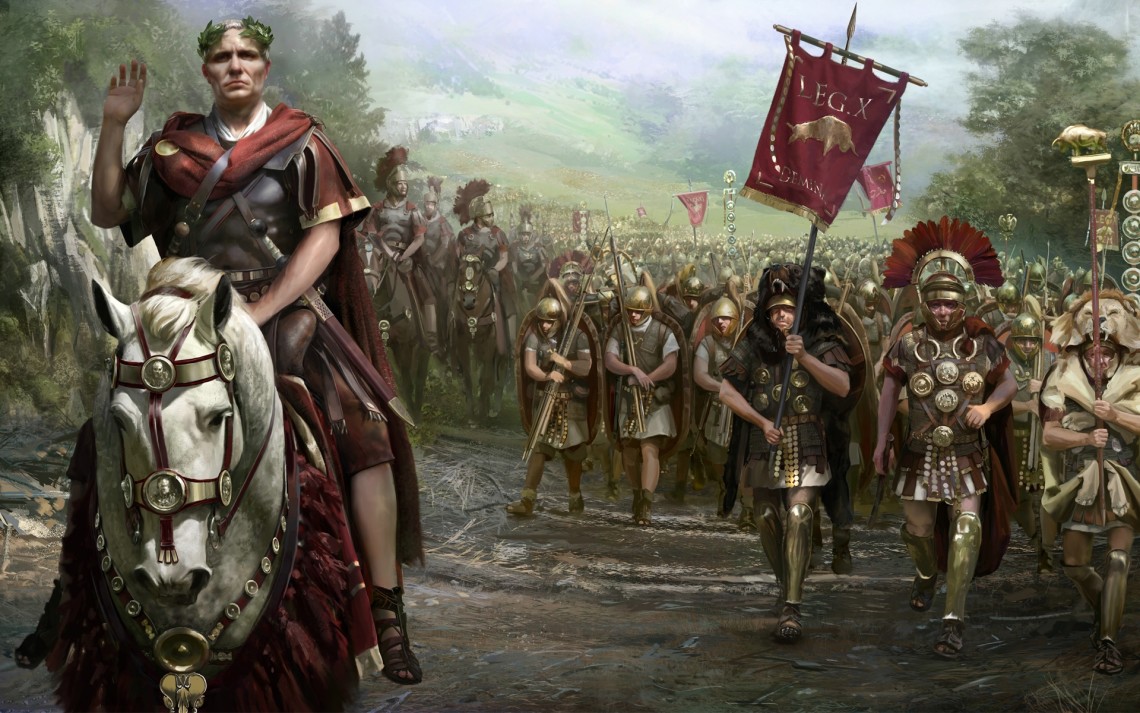
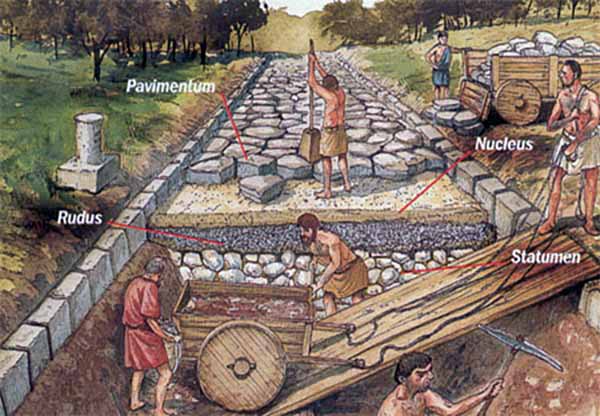
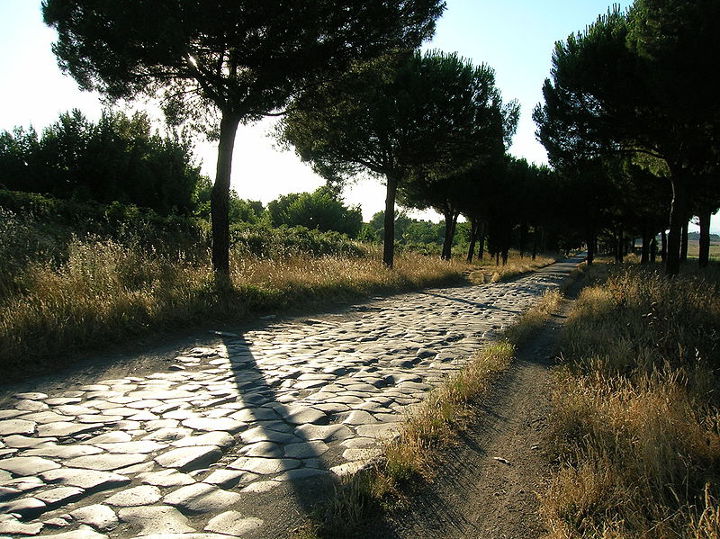
Every empire is expansionist by nature. The Roman Empire built roads throughout Europe and sent its legions along them to conquer peoples it called barbarians. In Cancerism’s interpretation, these routes carried the most aggressive malignant cells into previously intact tissues of the continent. Forests were cleared and animal populations destroyed. We still benefit from many achievements of Rome, but at what cost to the living world that preceded its expansion?
2. The Conquest of the Americas
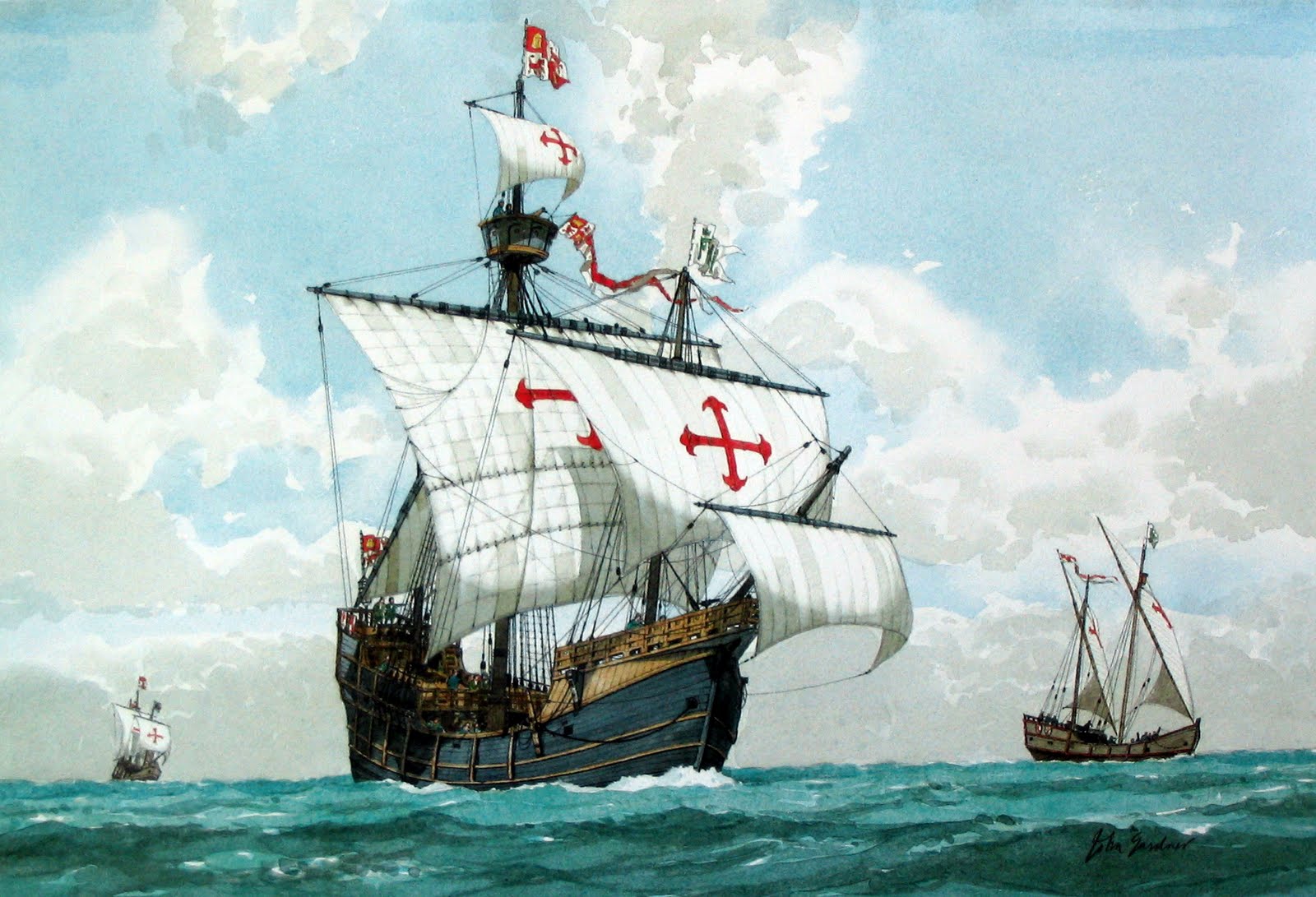
Beginning in the sixteenth century, European powers conquered the Americas. Spain and Portugal imposed their dominion across Central and South America, devastating Indigenous societies and their environments. This is presented in the original essay as one of history’s most extensive metastases: the displacement and subjugation of communities whose impact on the natural world had often been more limited than that of the conquerors.
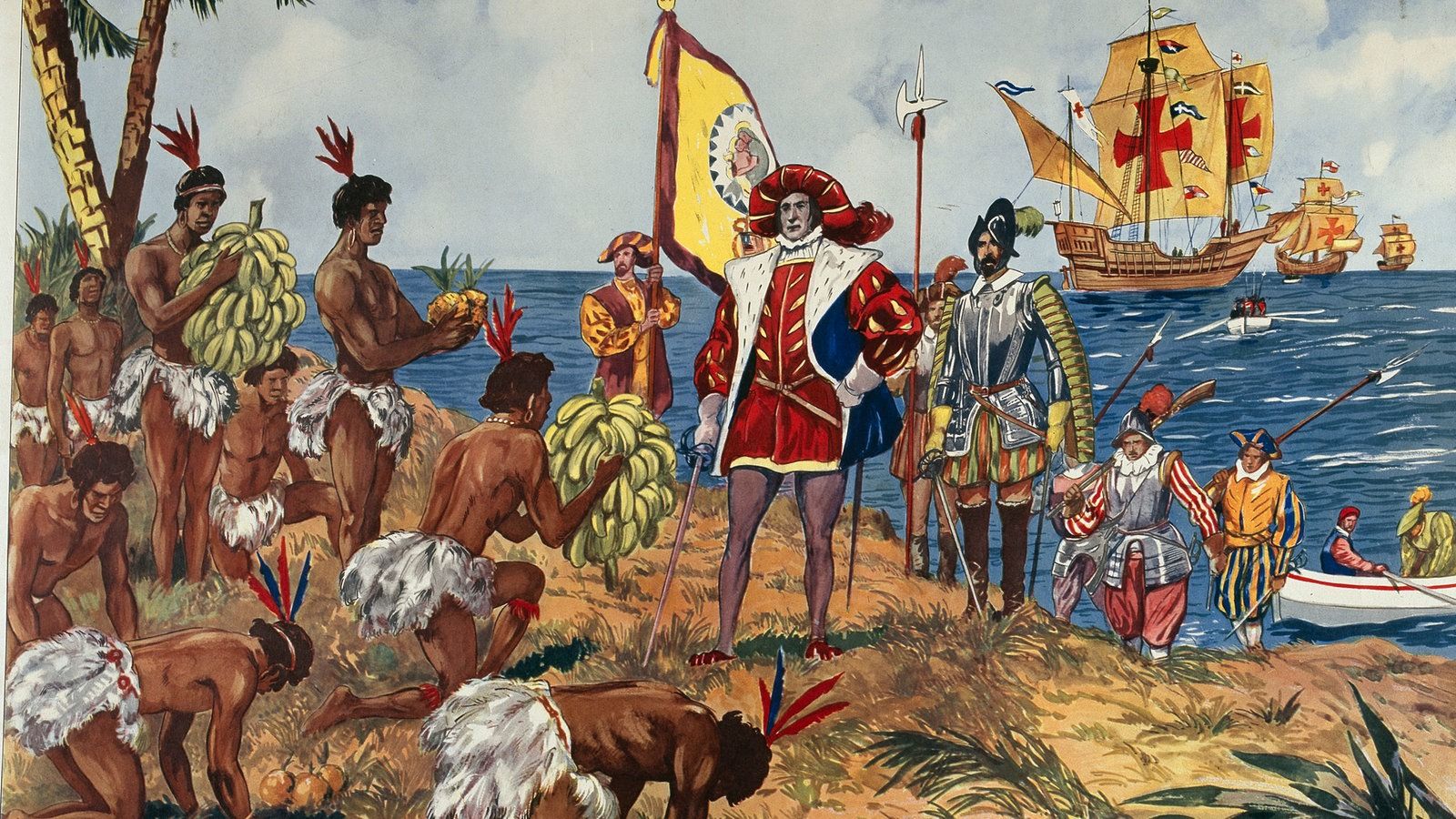
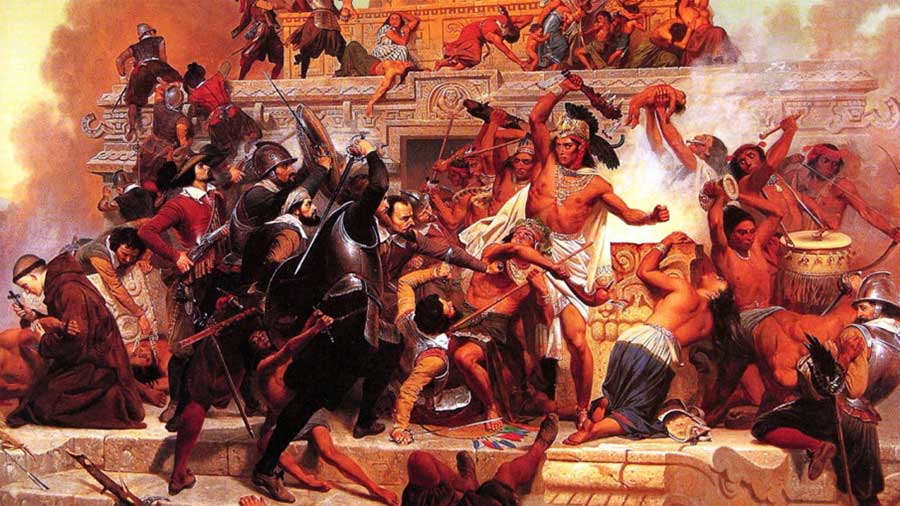
3. The Conquistadors and the Missionaries
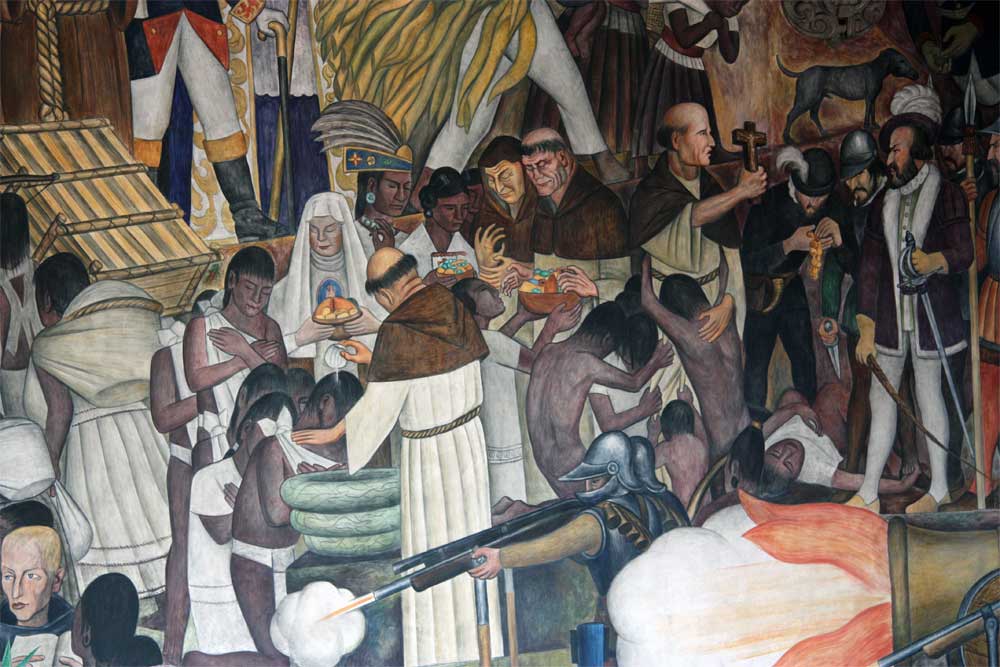
Military conquest was frequently followed by religious conversion. Conquistadors imposed control through force while missionaries sought to replace Indigenous spiritual traditions with European beliefs. In the author’s argument, the process extended the cultural expansion accompanying territorial conquest, progressively drawing other societies into the same anthropocentric model of civilization.
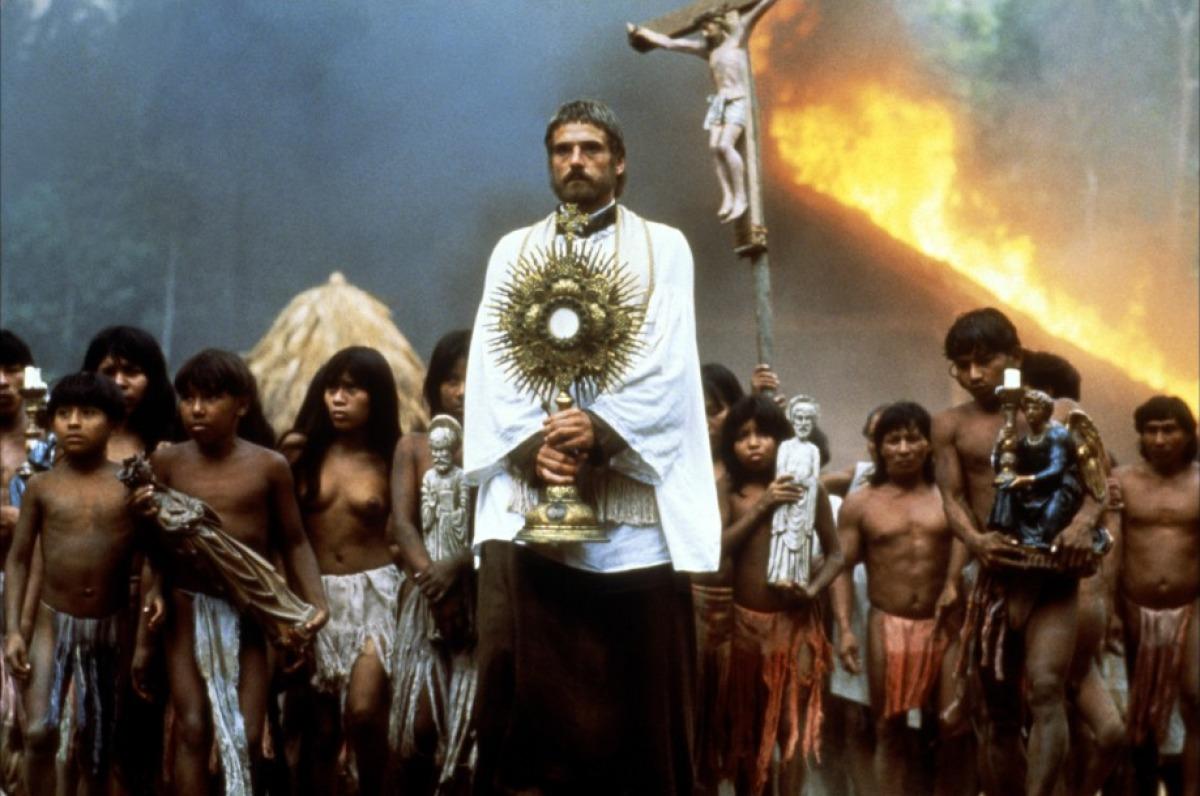
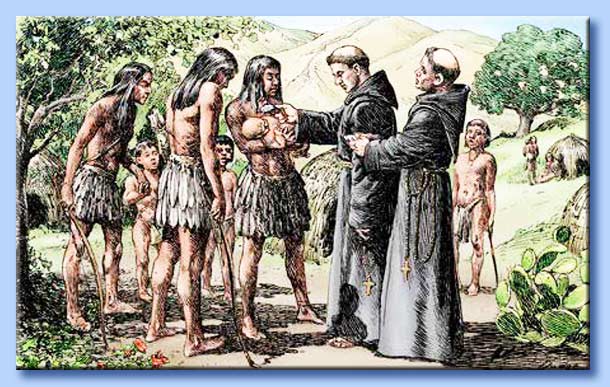
4. The Conquest of the American West
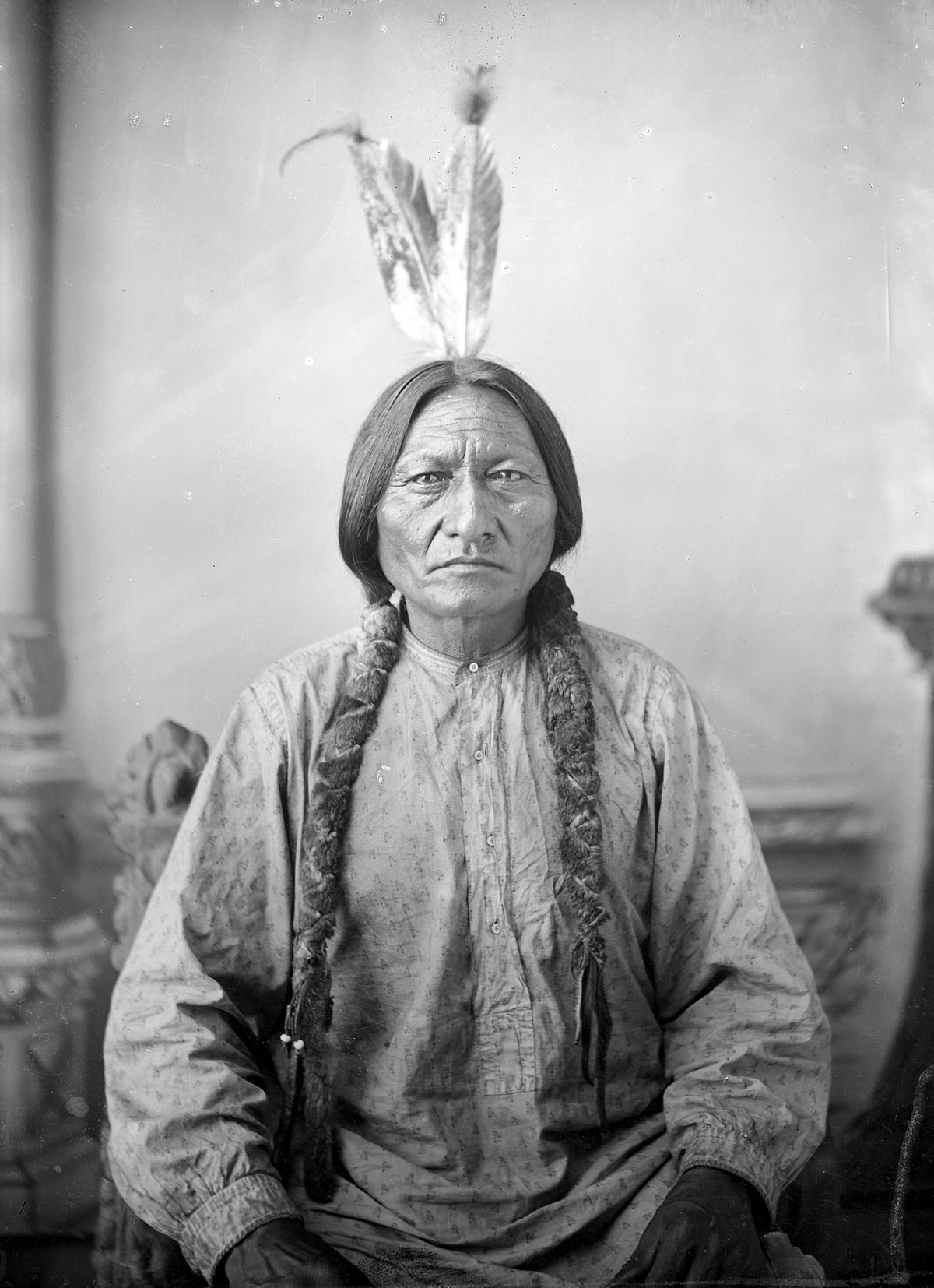
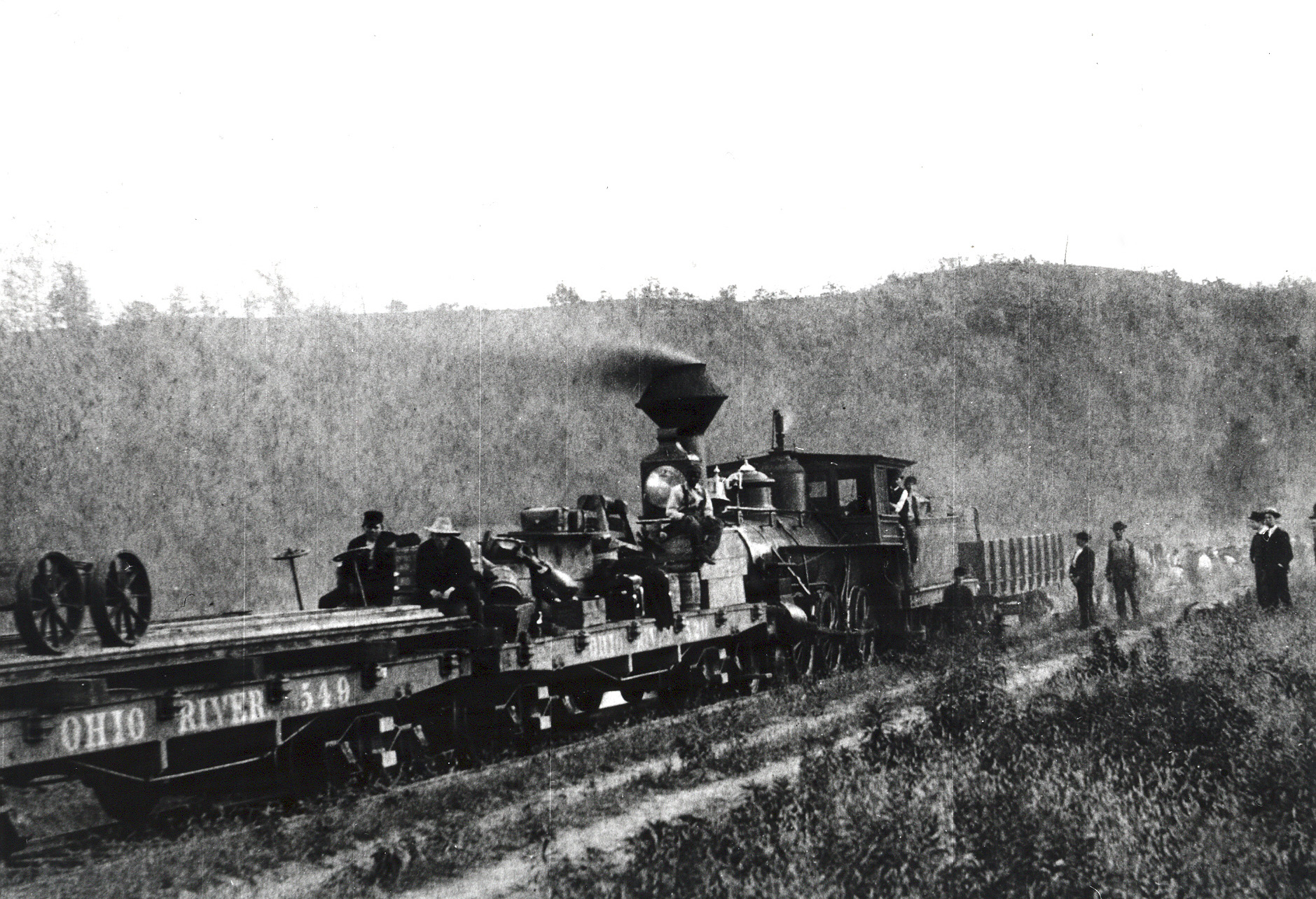
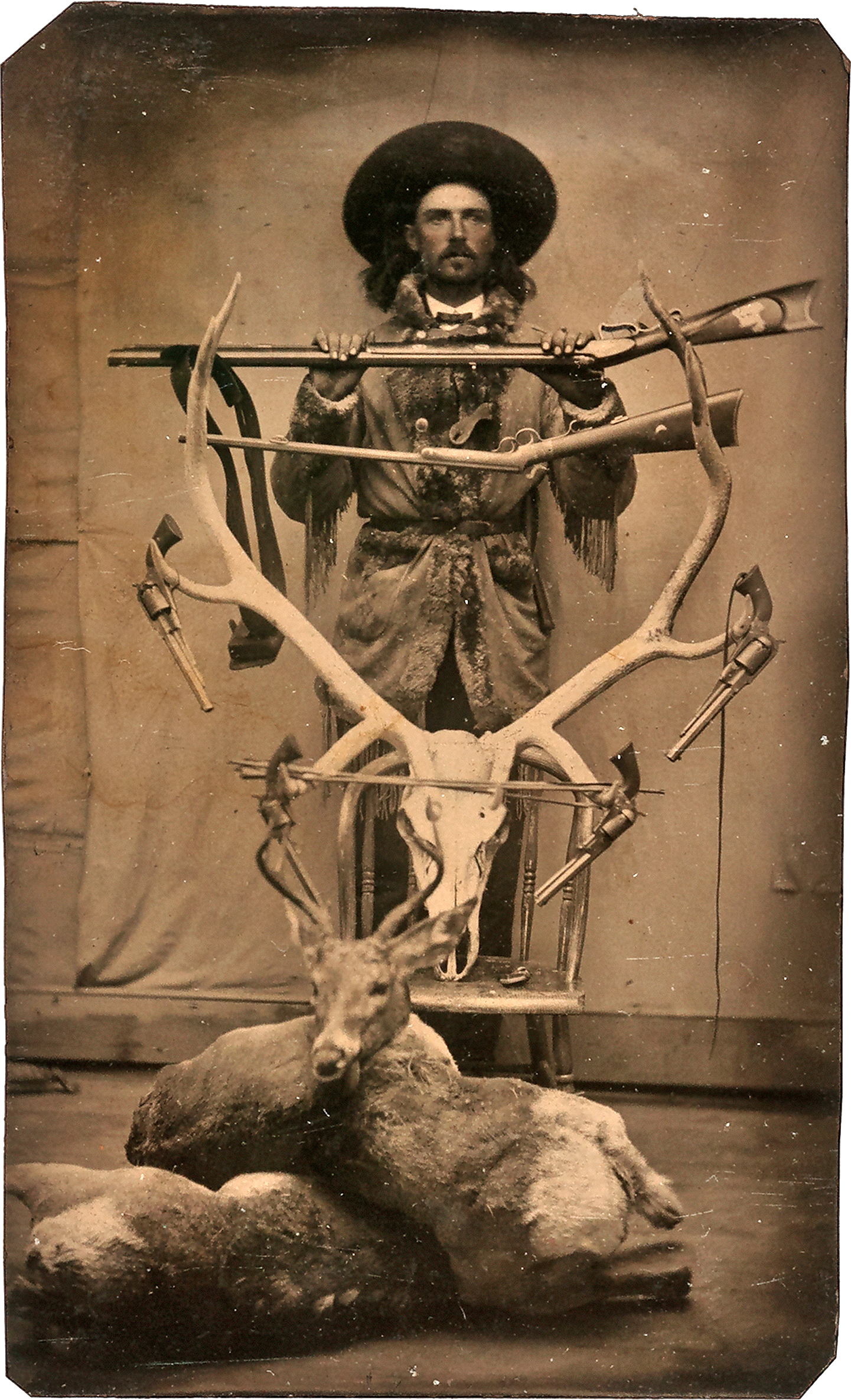
The frontier remains a powerful symbol in American history: perpetual westward movement, expansion, and progress. From the perspective advanced here, however, the conquest of the West was another metastasis spreading from Europe. Indigenous communities, animal populations, and ecosystems were profoundly disrupted by weapons, railroads, settlement, and new economic systems.
5. The Atlantic Slave Trade
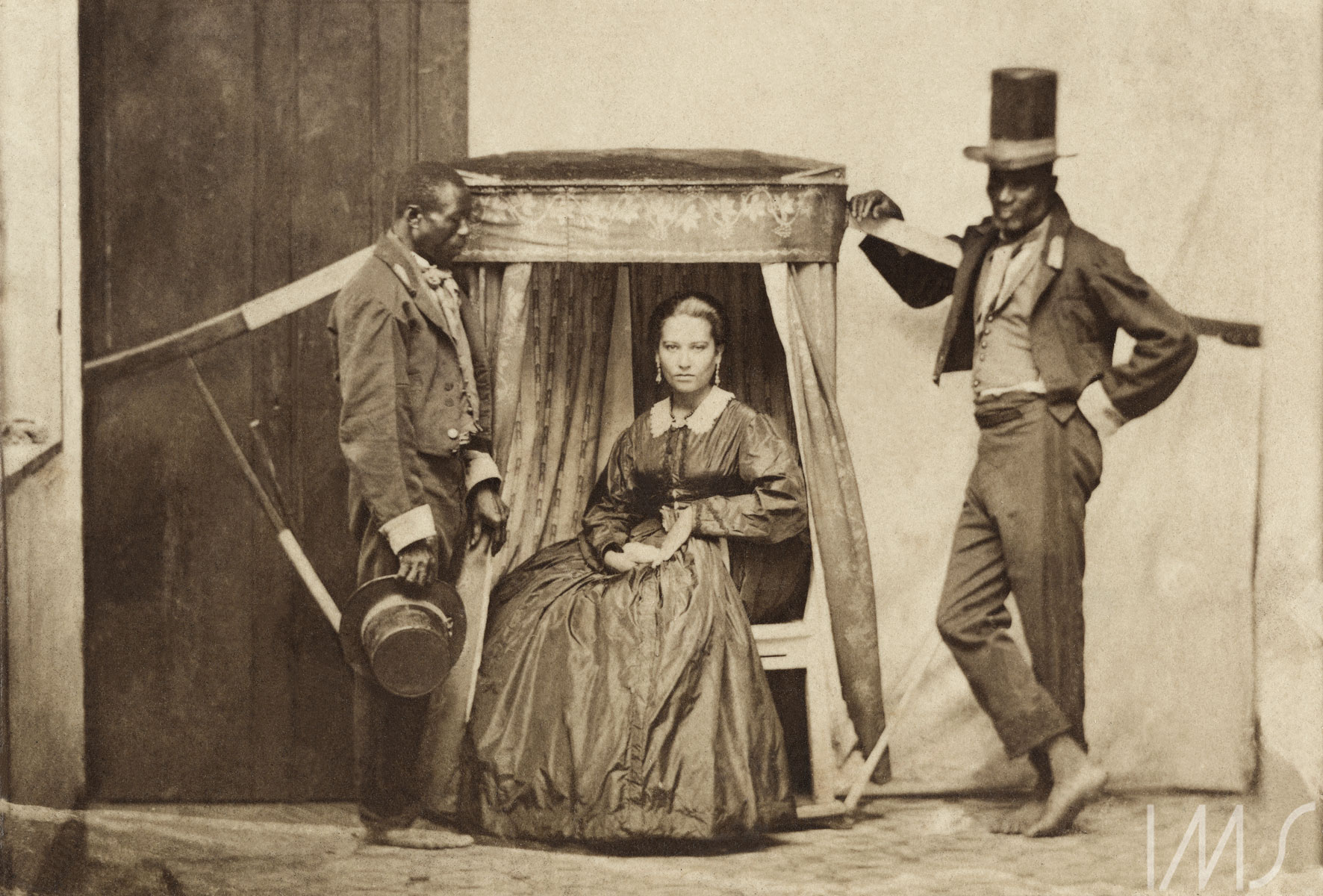
The forced transportation of enslaved Africans to the Americas constitutes one of the darkest episodes of human history. Unlike territorial conquest, this metastasis uprooted people from their original societies and transported them into newly conquered lands, where they were exploited through systems of forced labor. The original commentary considers this another violent stage in the worldwide spread of an expansionist civilization.
6. European Colonialism in Africa and Asia
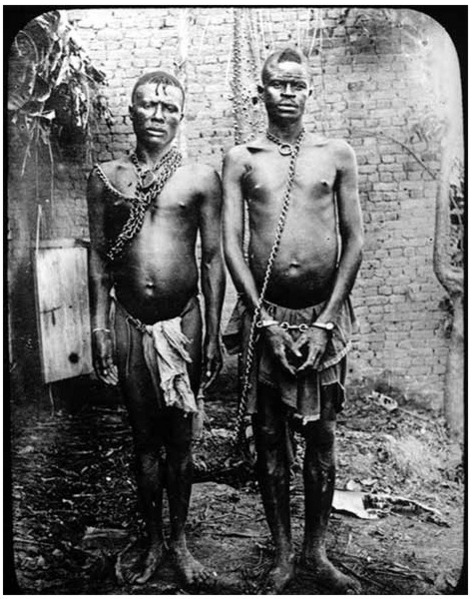
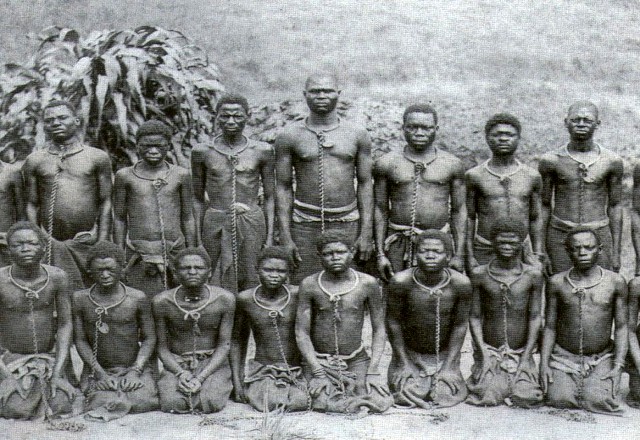
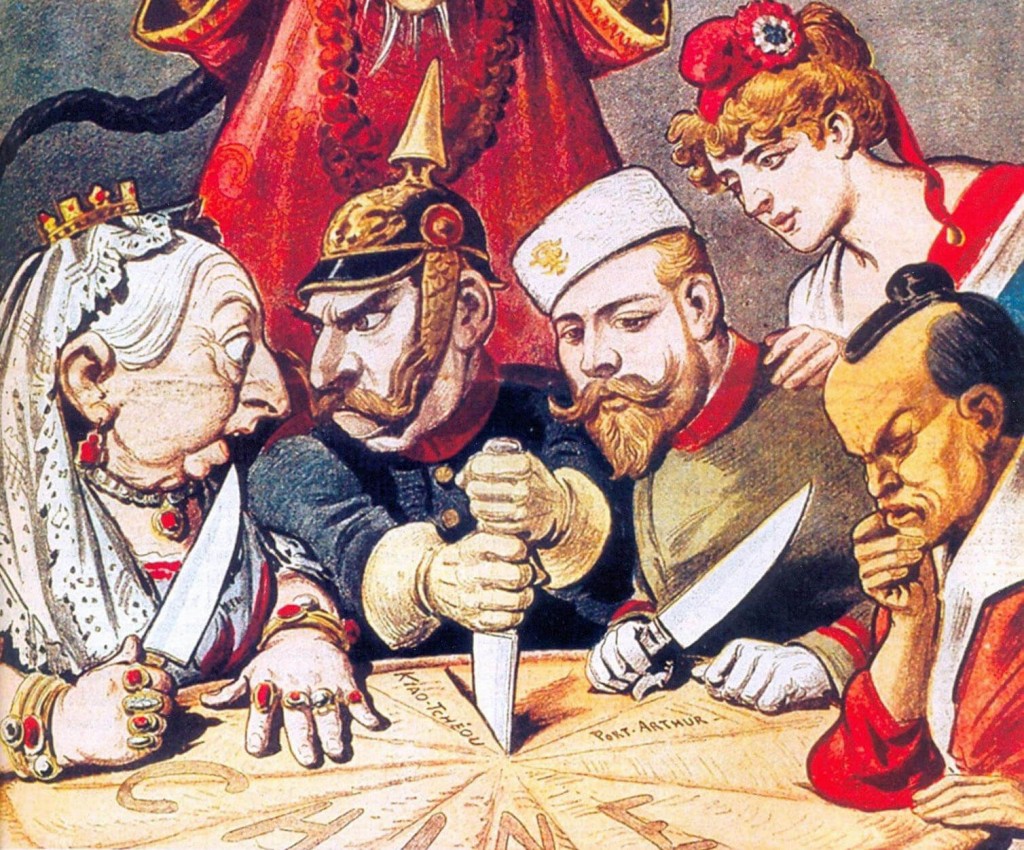
During the nineteenth century, European powers extended their colonial empires through much of Africa and Asia. Britain, France, Portugal, Spain, the Netherlands, Belgium, Germany, and Italy participated in different forms of domination and extraction. In this interpretation, what colonizers called civilization spread an increasingly invasive economic and anthropocentric model, whose consequences persisted beyond formal decolonization.
7. The Global Network
The twentieth century saw two world wars, but the original essay also identifies another decisive development: the rise of the internet. It compares the worldwide communications network to a synaptic system connecting malignant cells across the planet. Each individual’s access to information and capacity for coordinated action has expanded, allowing the transformation of the biosphere to proceed on an increasingly integrated global scale.