This visual archive adapts the 2018–2019 Italian series Torri di Babele. Through images of monumental skyscrapers and historical representations of the Tower of Babel, it explores the ambition to build ever higher as an expression of humanity’s expanding power. The original rankings and projections are presented as historical material, not as an up-to-date classification.
20. International Finance Centre — Hong Kong
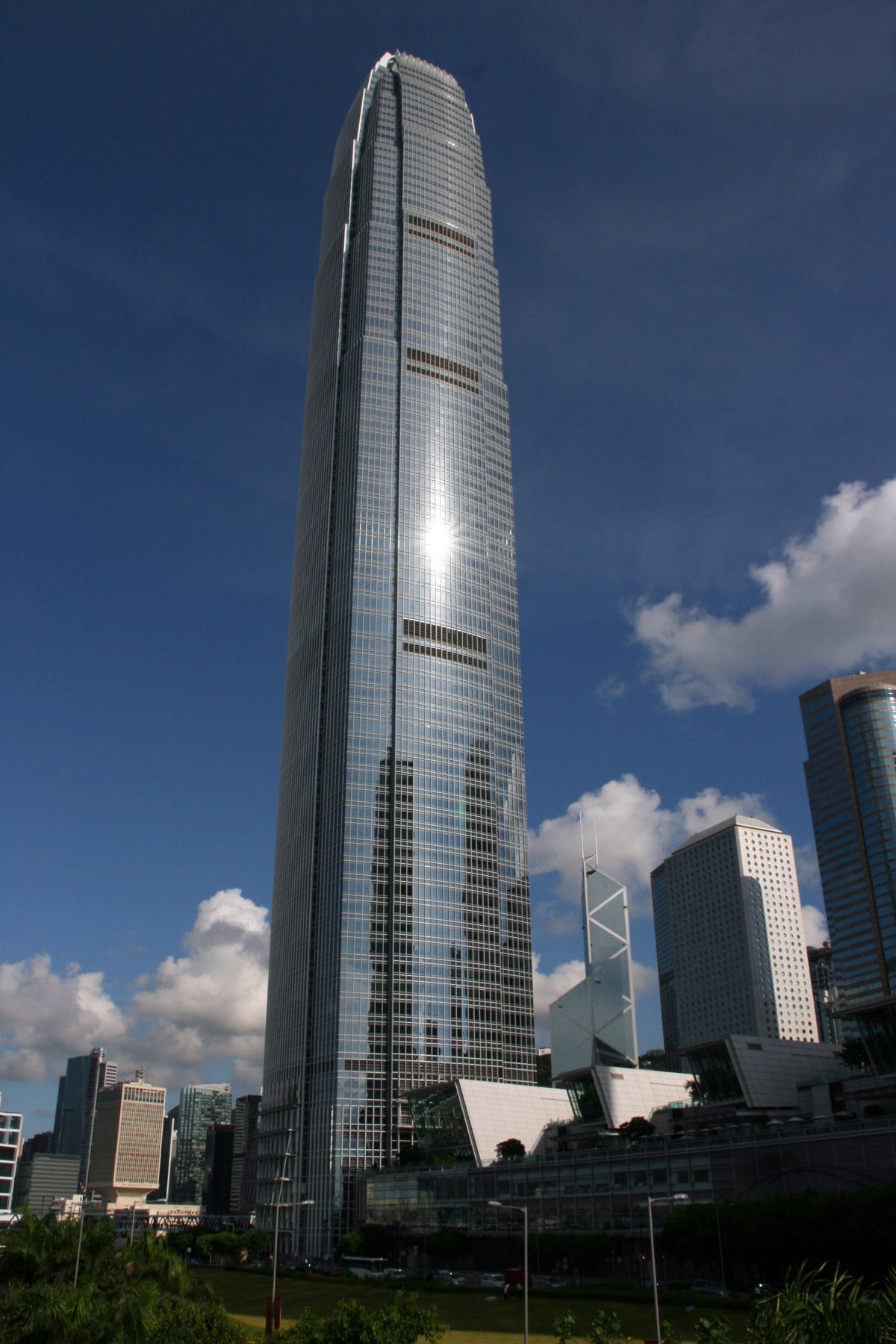
In the original survey, the International Finance Centre in Hong Kong occupied twentieth place among the world’s tallest skyscrapers, with a height of 415 meters and 88 floors. Situated on the waterfront in the Central District, the complex houses financial offices and a shopping center with major international brands, including Apple. The building’s international financial character offers a starting point for this account of the monumental structures through which, in the perspective of Cancerism, human civilization expresses its expansionist ambitions.
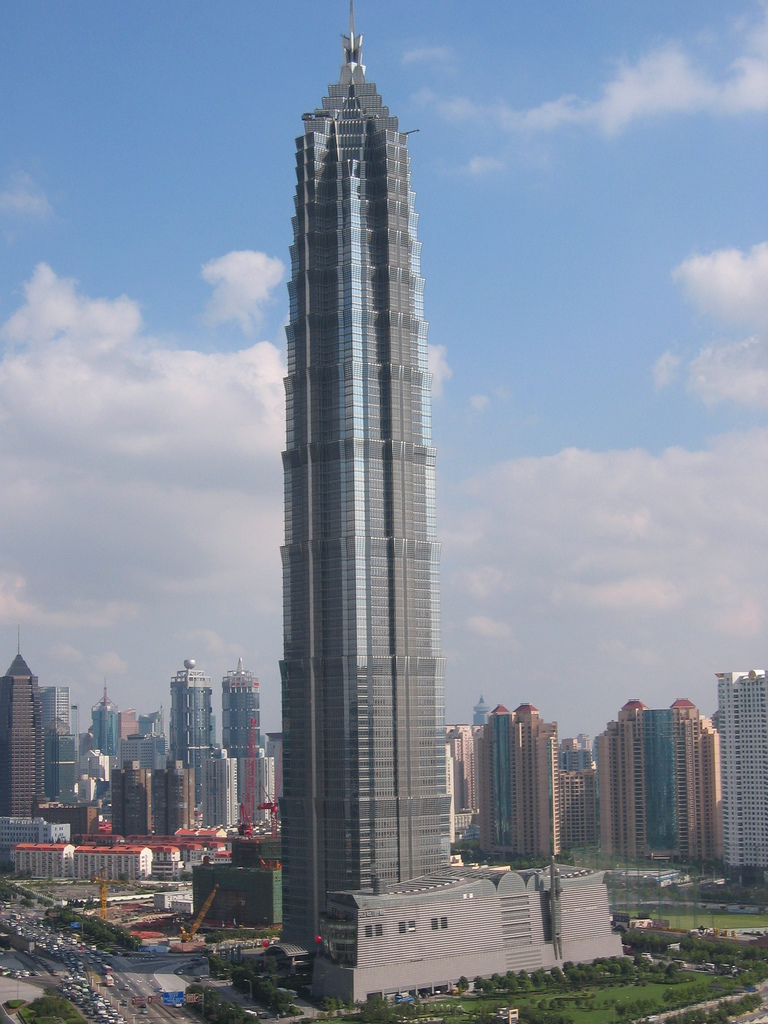
19. Jin Mao Tower — Shanghai
Opened in 1998 in Shanghai’s financial district, often described as the Chinese Manhattan, the 421-meter Jin Mao Tower has 88 floors. Its vast central atrium rises through 32 stories. Designed by an American architectural firm, it illustrates the international spread of a model of development that Cancerism associates with ever-expanding exploitation of the planet.
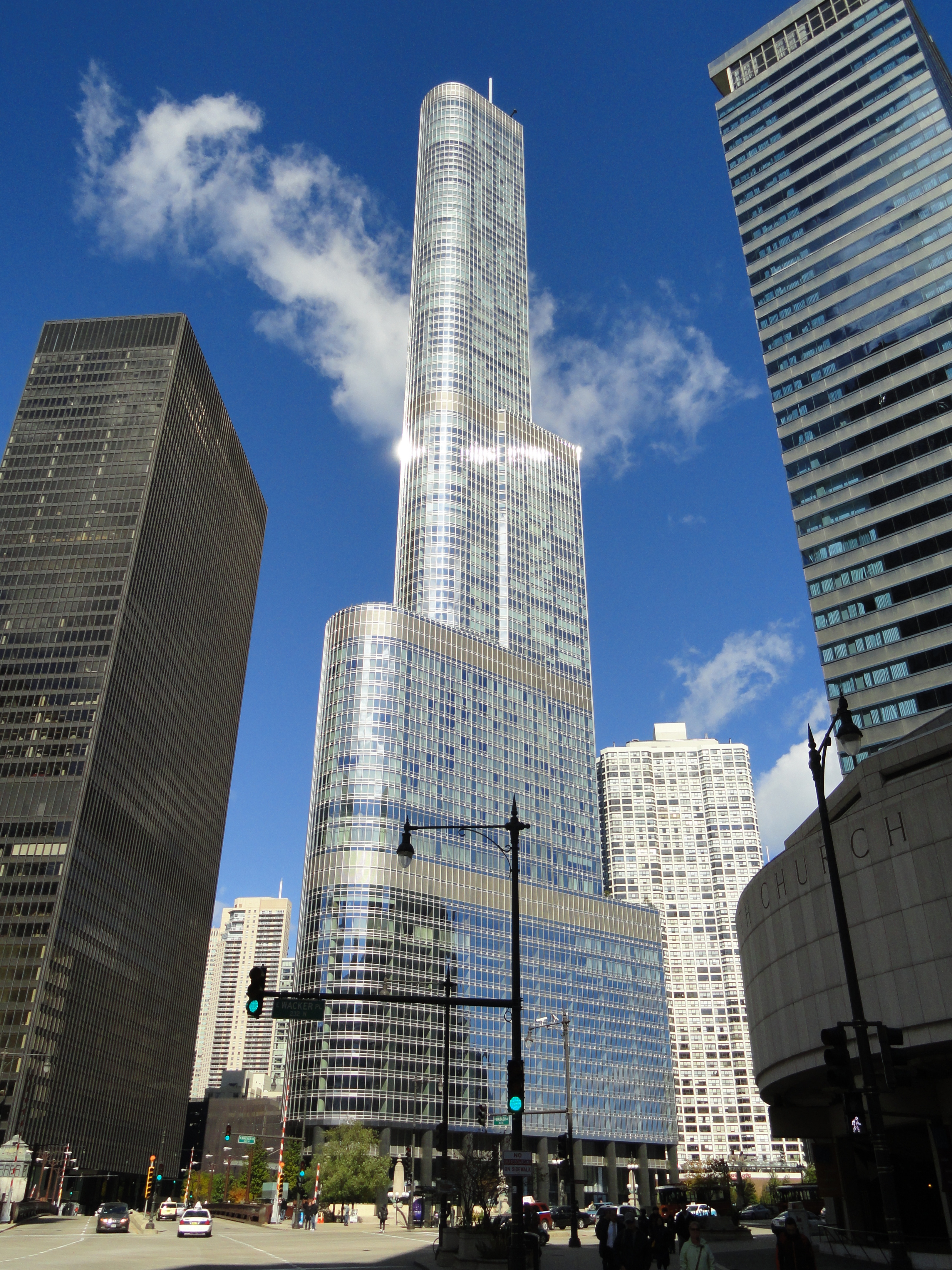
18. Trump International Hotel and Tower — Chicago
Standing beside the Chicago River, this building rises approximately 423 meters including its spire and has 98 floors. The original commentary noted the symbolism of a building associated with a future American president: monumental construction becomes a sign of human dominance and the continued expansion of the planetary malignancy.
17. 432 Park Avenue — New York
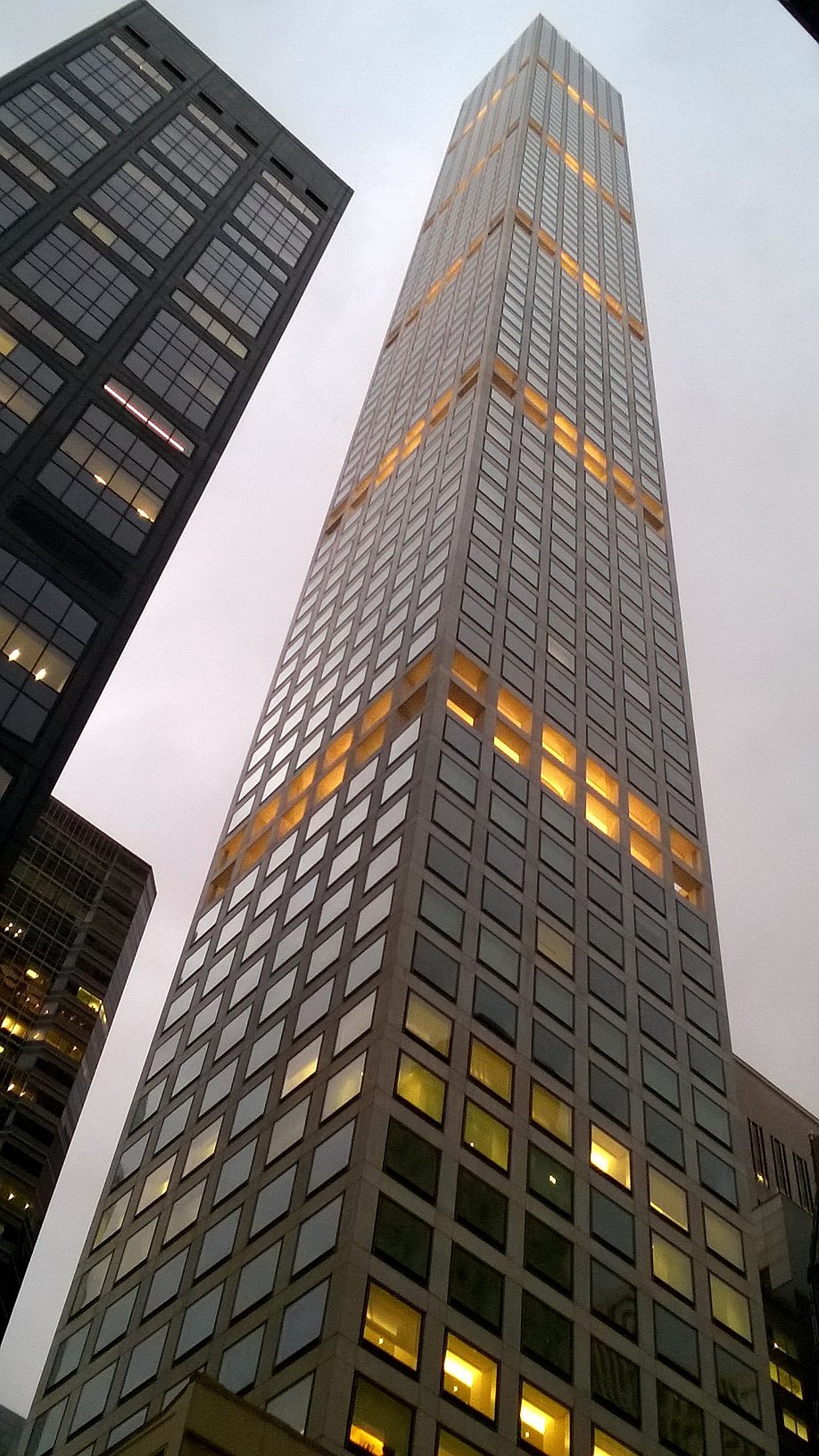
Completed in 2015 near Central Park, 432 Park Avenue is an exclusively residential skyscraper rising 426 meters. The Italian commentary reads such buildings as an especially conspicuous expression of concentrated wealth and of humanity’s self-celebration at the heart of the urban neoplasm.
16. Guangzhou International Finance Center — Guangzhou
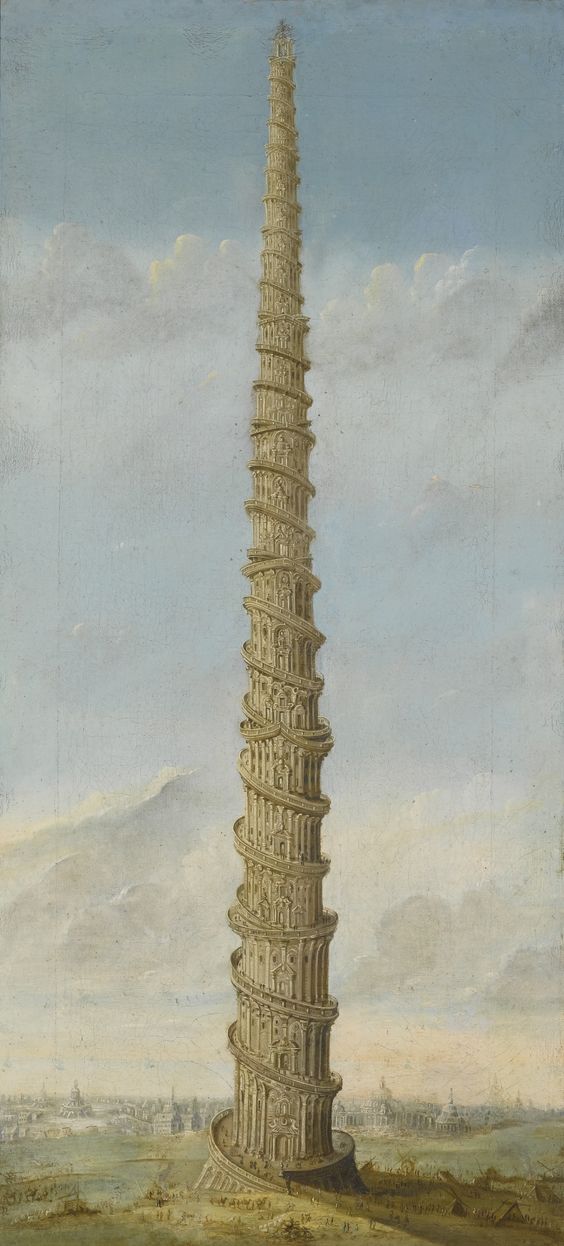
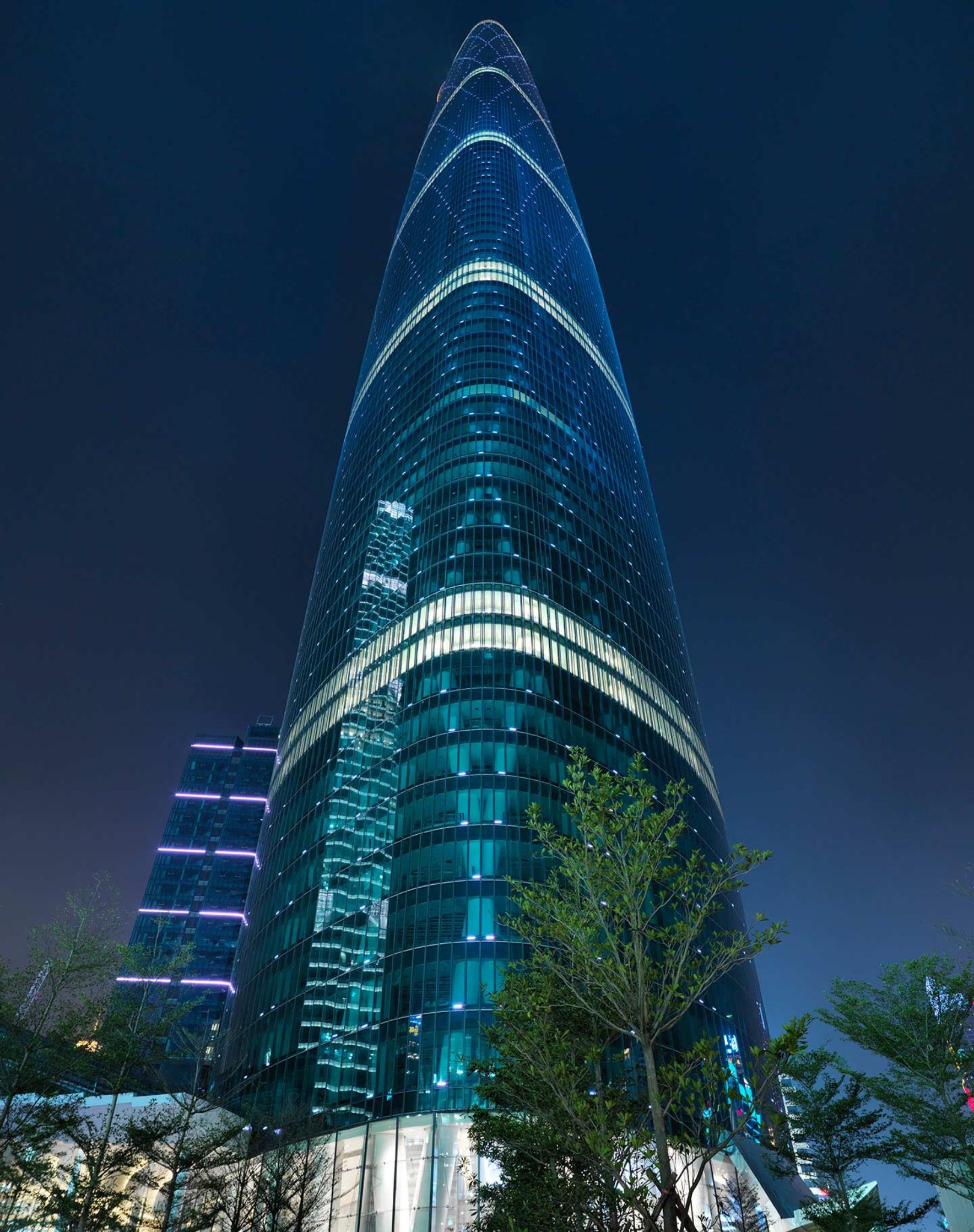
Designed by Wilkinson Eyre and completed in 2010, this skyscraper combines offices, a hotel, and panoramic floors. Its design illustrates the globalization of architecture: monumental building spreads across countries and continents regardless of different political systems.
15. KK100 — Shenzhen
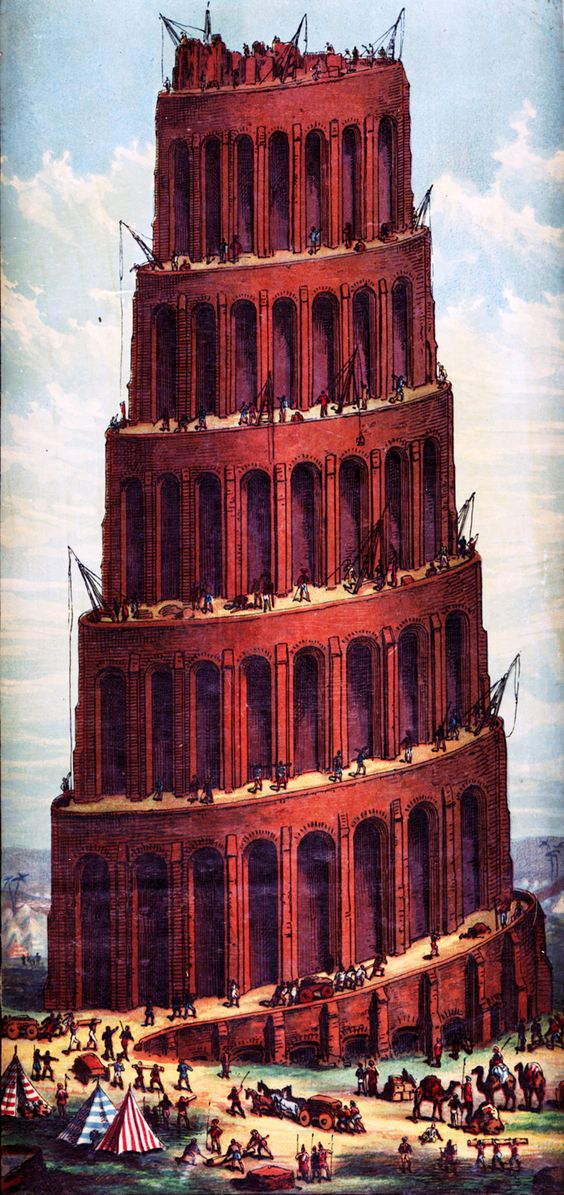
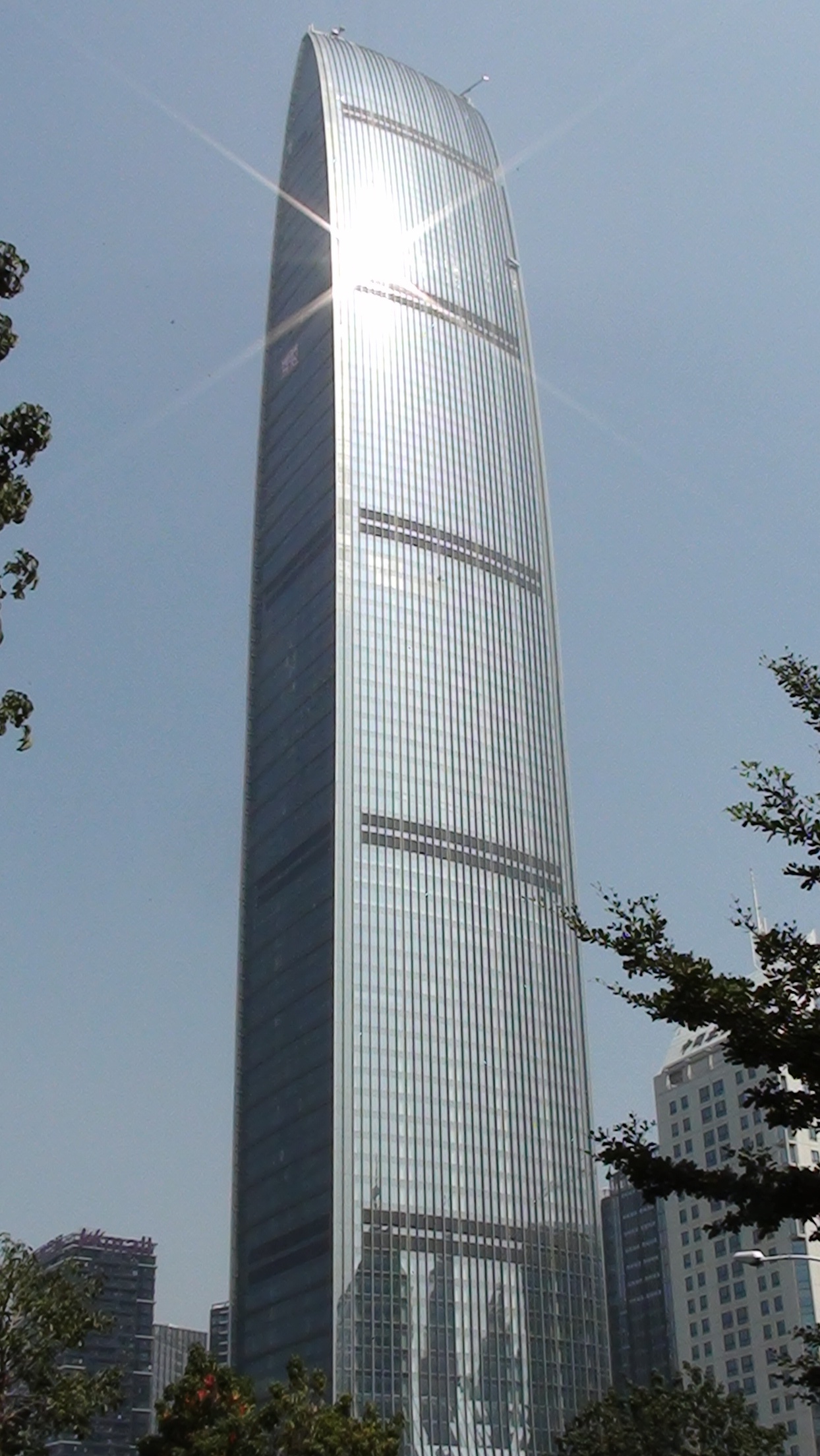
Shenzhen’s KK100 rises approximately 442 meters and contains offices, a luxury hotel, restaurants, gardens, and a shopping mall. In the historical survey, its appearance among the world’s tallest buildings signaled the rapid increase of such developments during the twenty-first century.
14. Willis Tower — Chicago
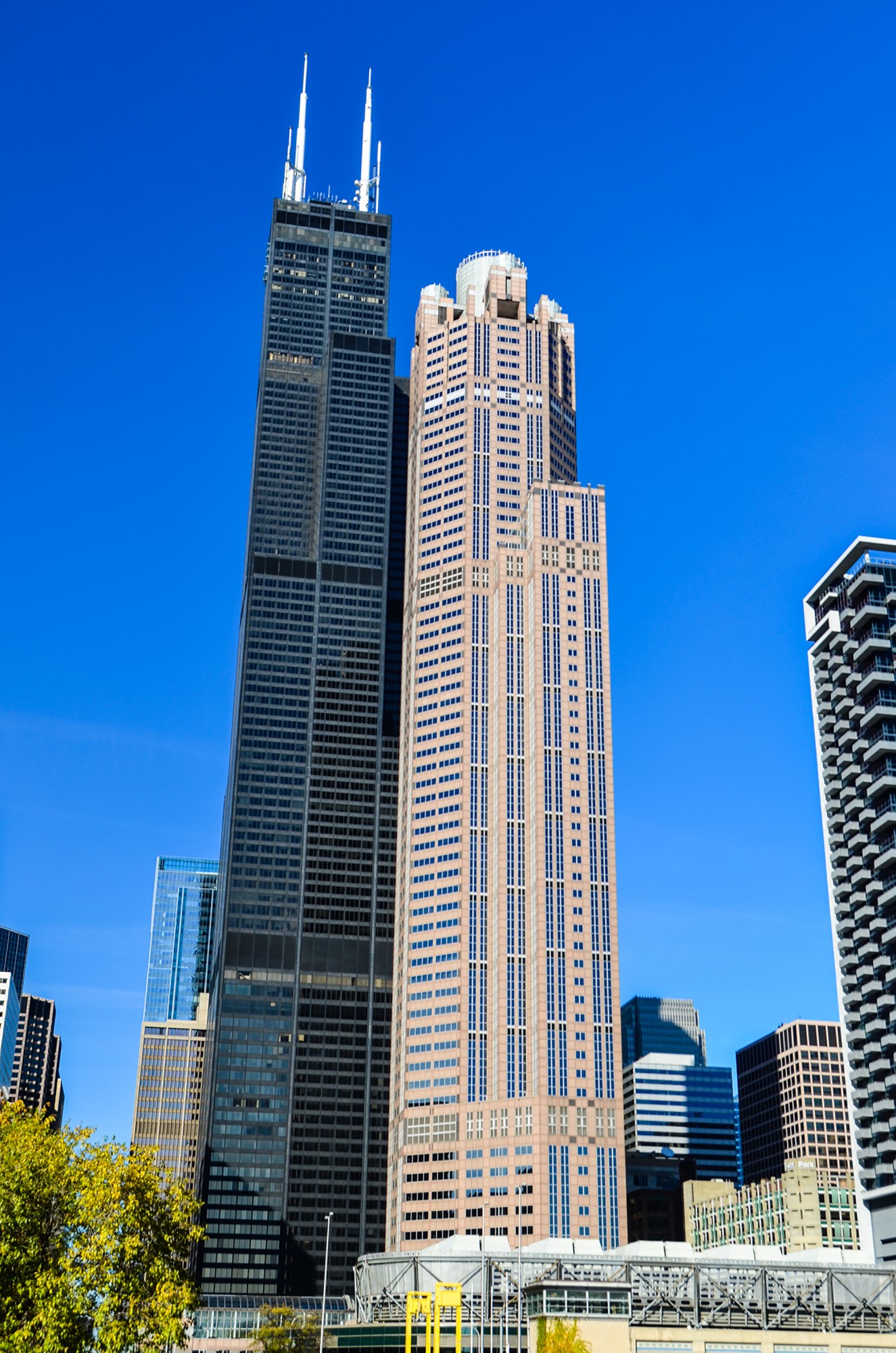
Built between 1970 and 1973, the Willis Tower became the world’s tallest building when completed. Its architect, Skidmore, Owings & Merrill, would also design the Burj Khalifa. From one generation of skyscrapers to the next, the contest to reach new heights becomes a symbol of apparently limitless progress.
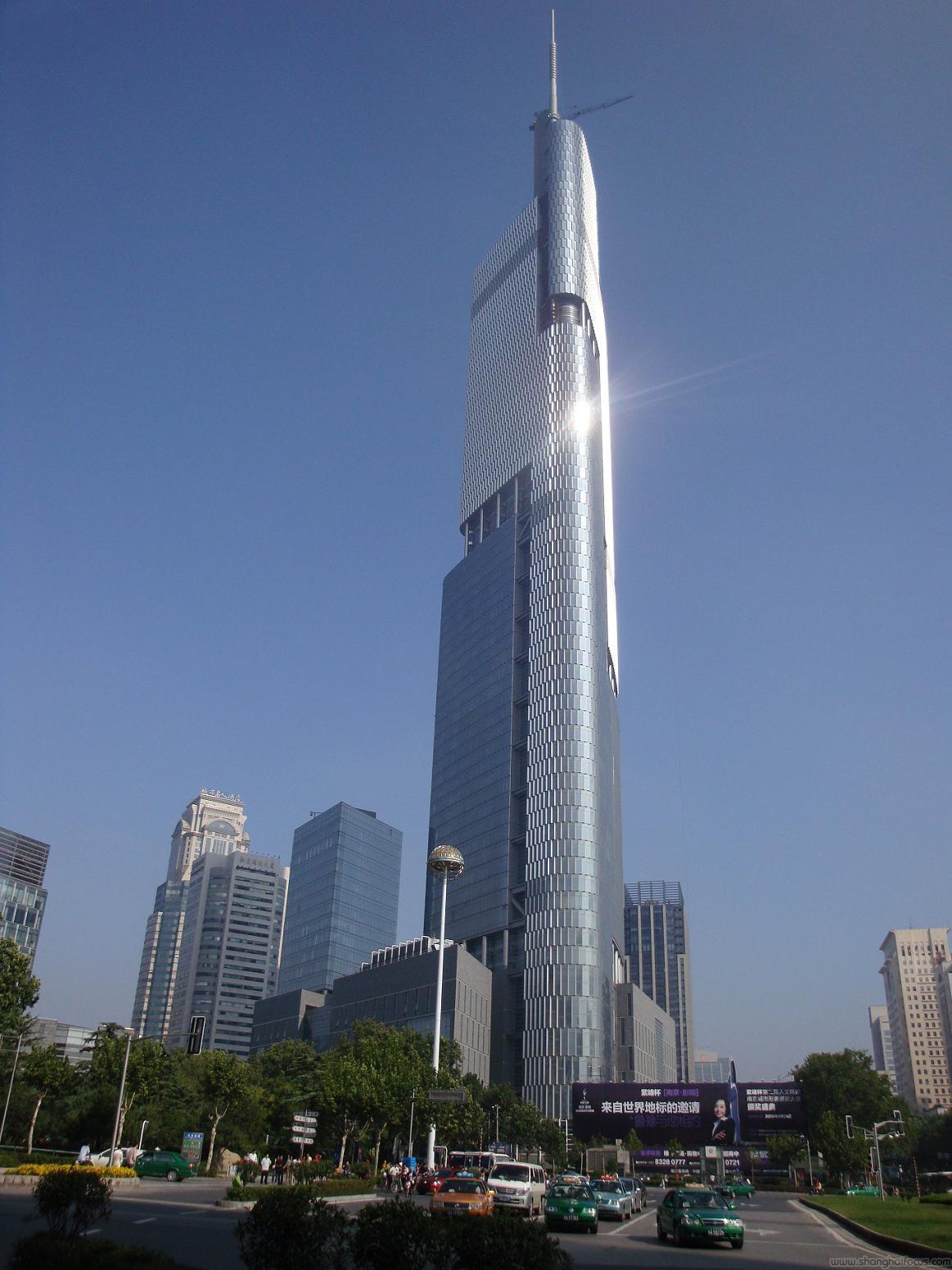
13. Zifeng Tower — Nanjing
The Nanjing Greenland Financial Center, also called Zifeng Tower, rises approximately 450 meters and accommodates offices, restaurants and an observation deck. Its designers included architects who also collaborated on the Burj Khalifa, linking projects across continents.
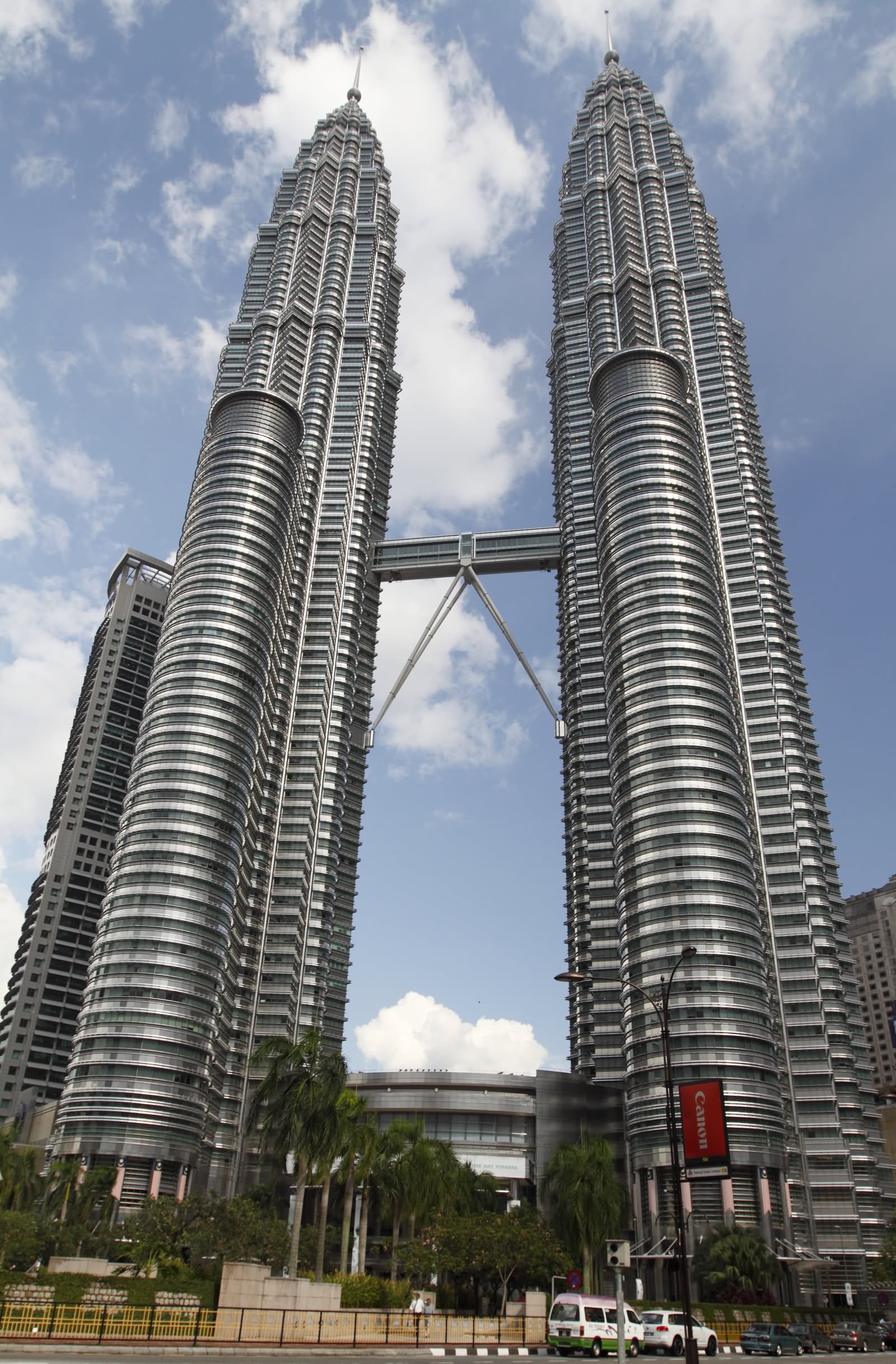
11–12. Petronas Towers — Kuala Lumpur
These 452-meter twin towers were built in Kuala Lumpur between 1995 and 1998 to a design by César Pelli. Named after the Malaysian oil company Petronas, they are joined by a skybridge and combine commercial ambition with geometric motifs drawn from Islamic architecture.
10. International Commerce Centre — Hong Kong
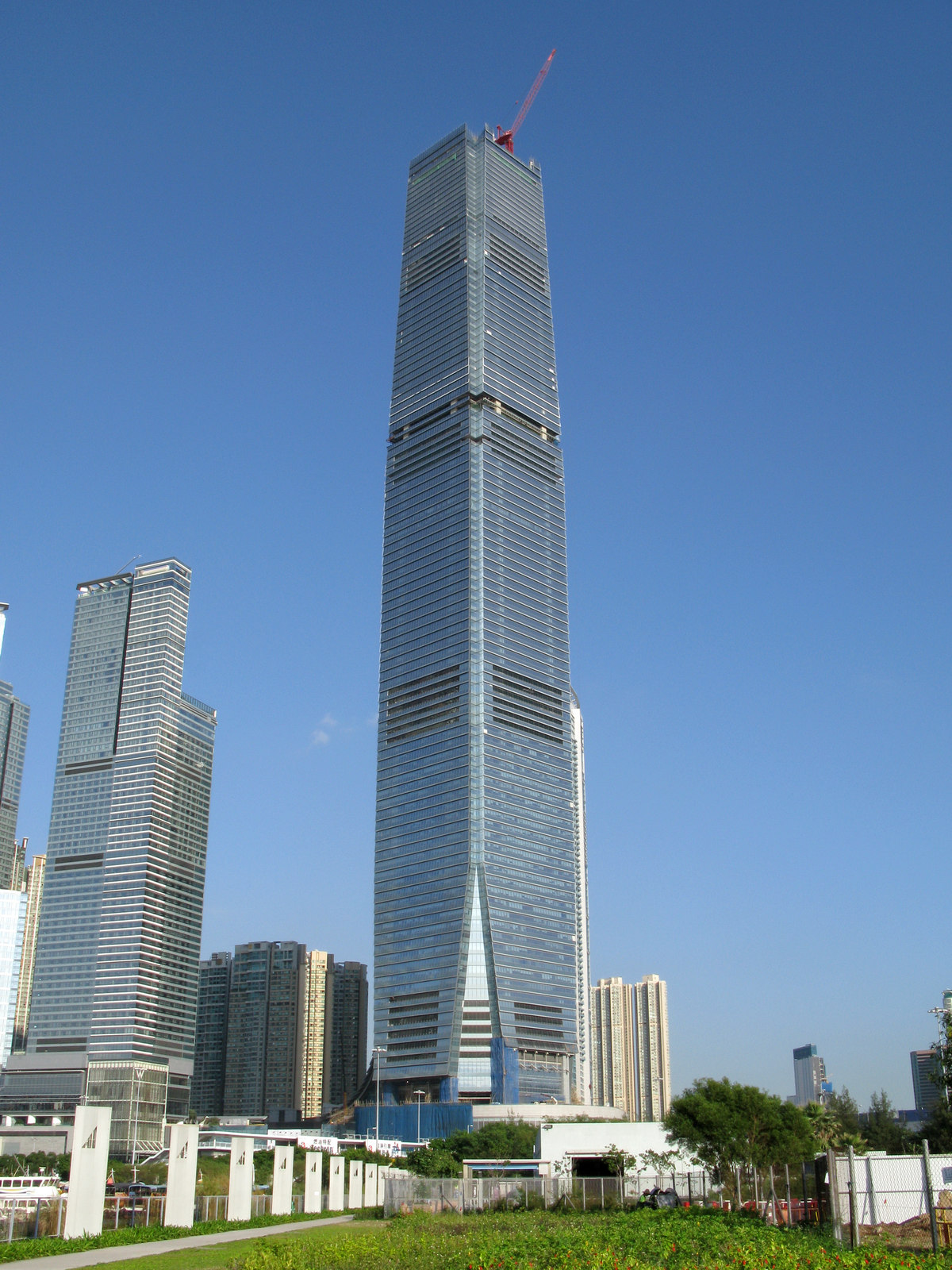
The International Commerce Centre reaches 484 meters. Its original proposed height was reduced because of Hong Kong’s restrictions on buildings exceeding the surrounding mountains. Its offices, hotel and financial tenants offer another image of the alliance between global finance and monumental construction.
9. Shanghai World Financial Center — Shanghai
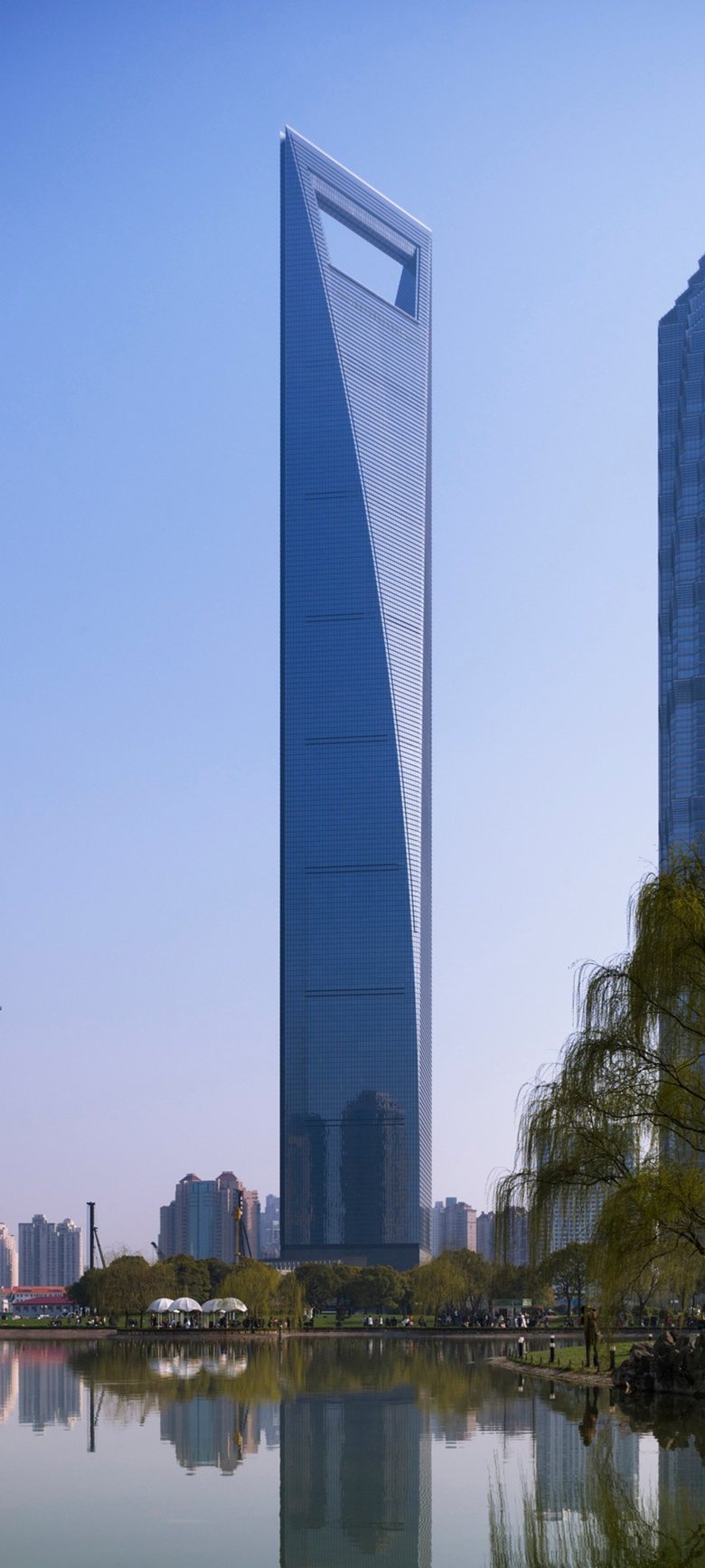
Opened in 2008 and reaching 492 meters, the Shanghai World Financial Center is widely nicknamed the bottle opener because of its distinctive outline. The Italian article pointed to the concentration of very tall buildings in Asia as evidence of the geographical spread of the expansionist process described by Cancerism.
8. Taipei 101 — Taipei
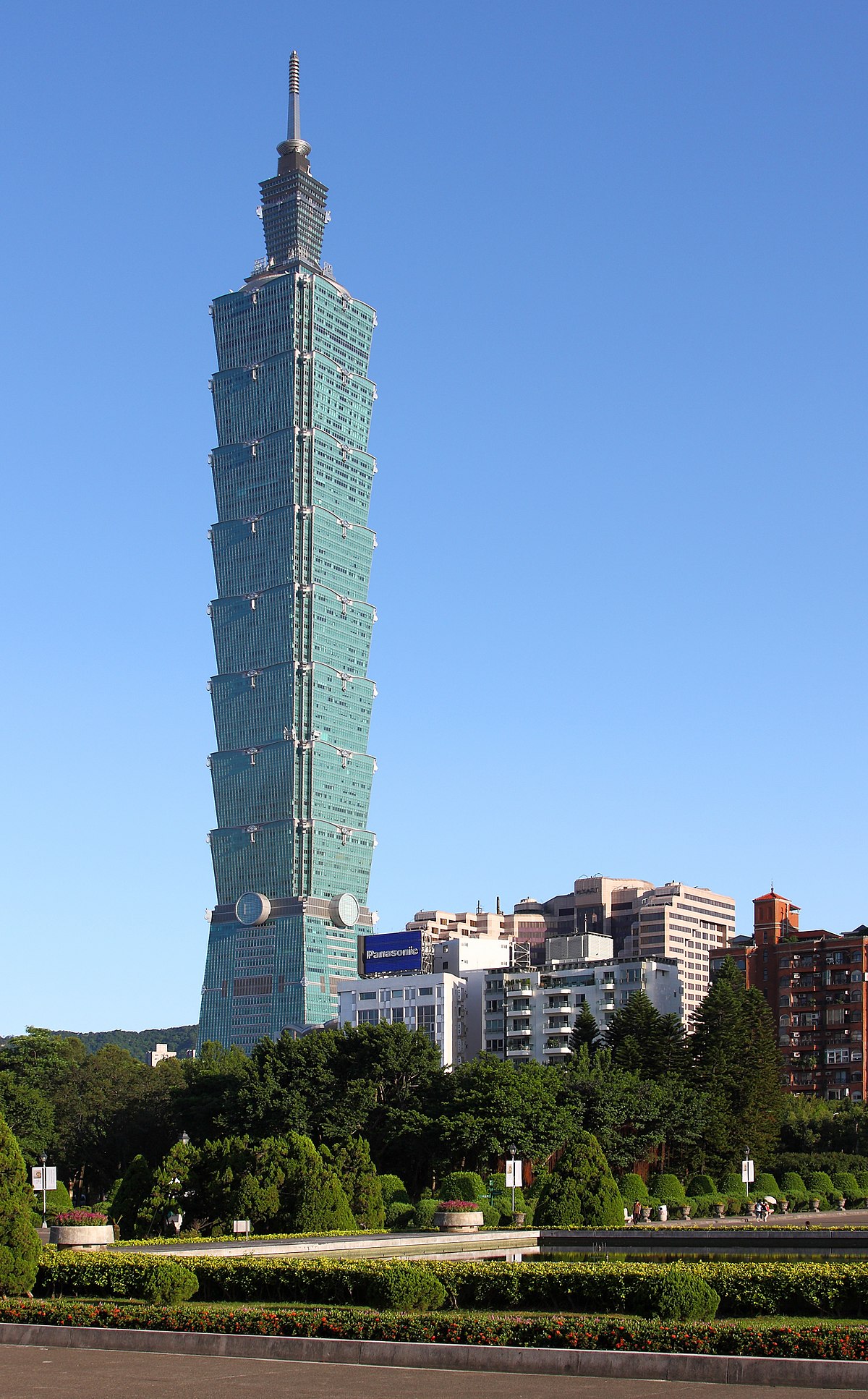
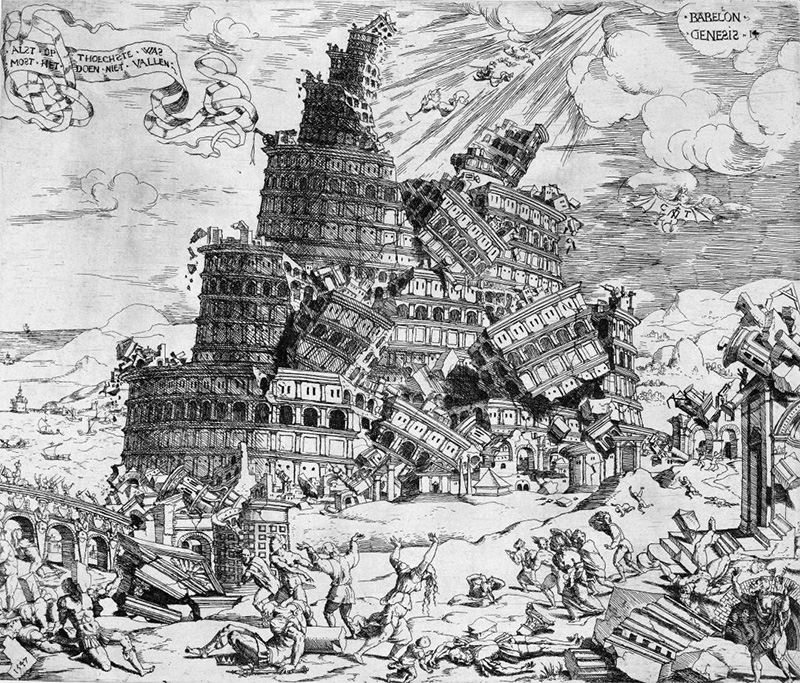
Taipei 101 reaches approximately 509 meters, with 101 floors and a form inspired by bamboo. Its enormous tuned mass damper helps the building withstand powerful winds and earthquakes. The contrast between these natural forces and the engineering designed to resist them lies at the heart of the original commentary.
7. Guangzhou skyscraper — China
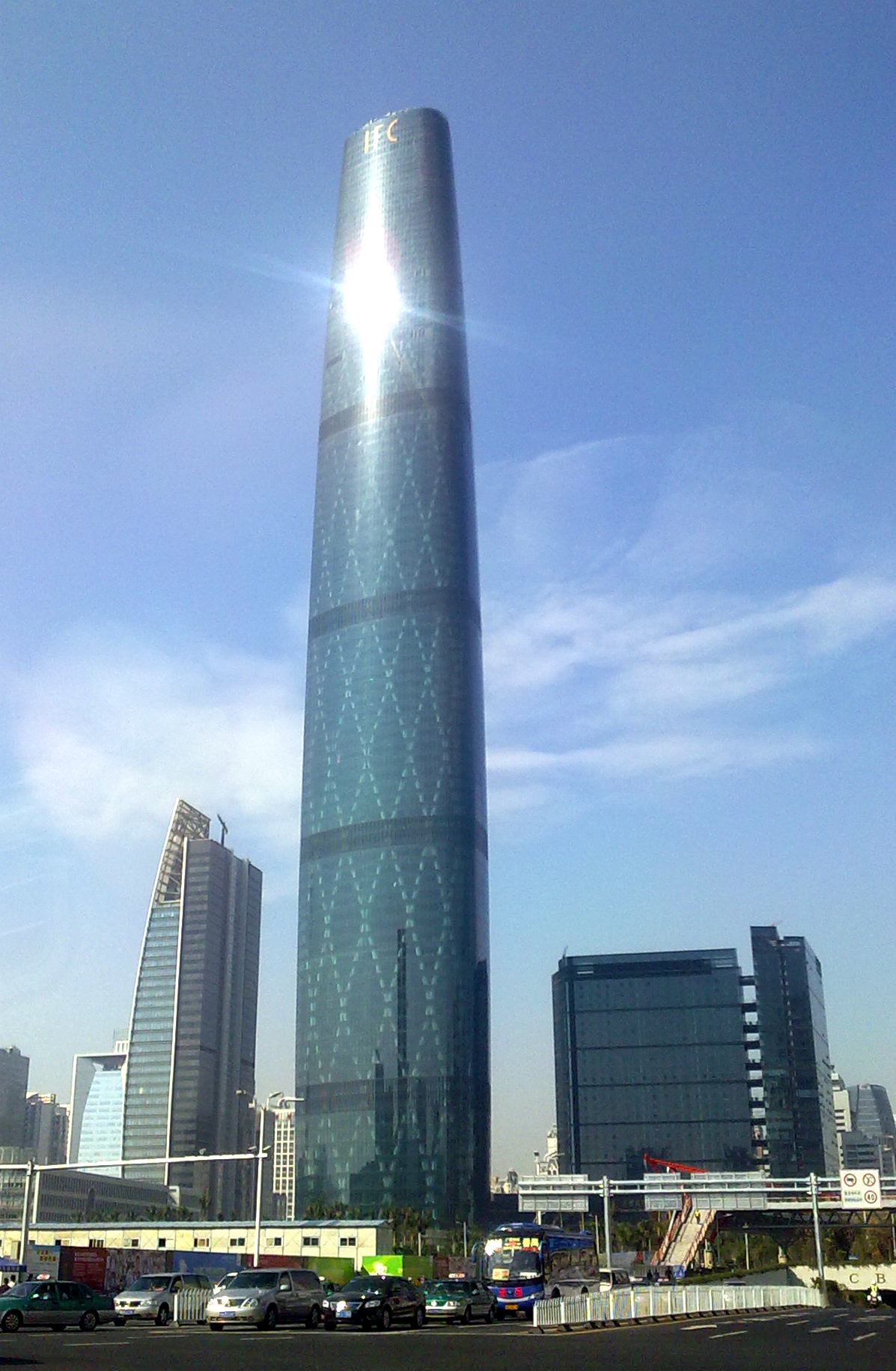
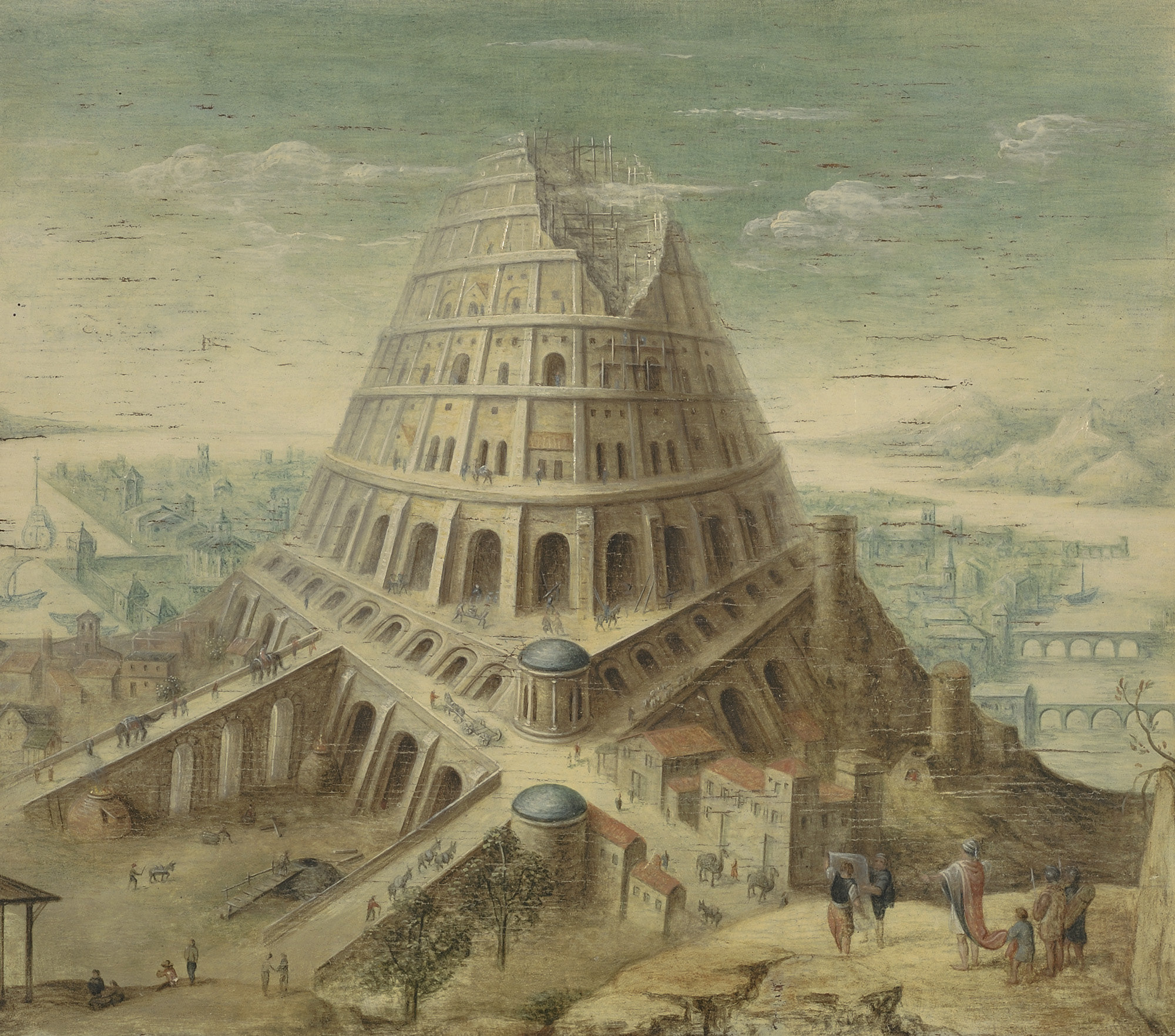
The original archive presents another major Guangzhou skyscraper, about 530 meters tall, as part of the rapid rise of Asian supertall construction. It emphasizes the international architectural firms behind projects built in China and elsewhere. The identification in this historical entry should be checked before publication.
6. One World Trade Center — New York
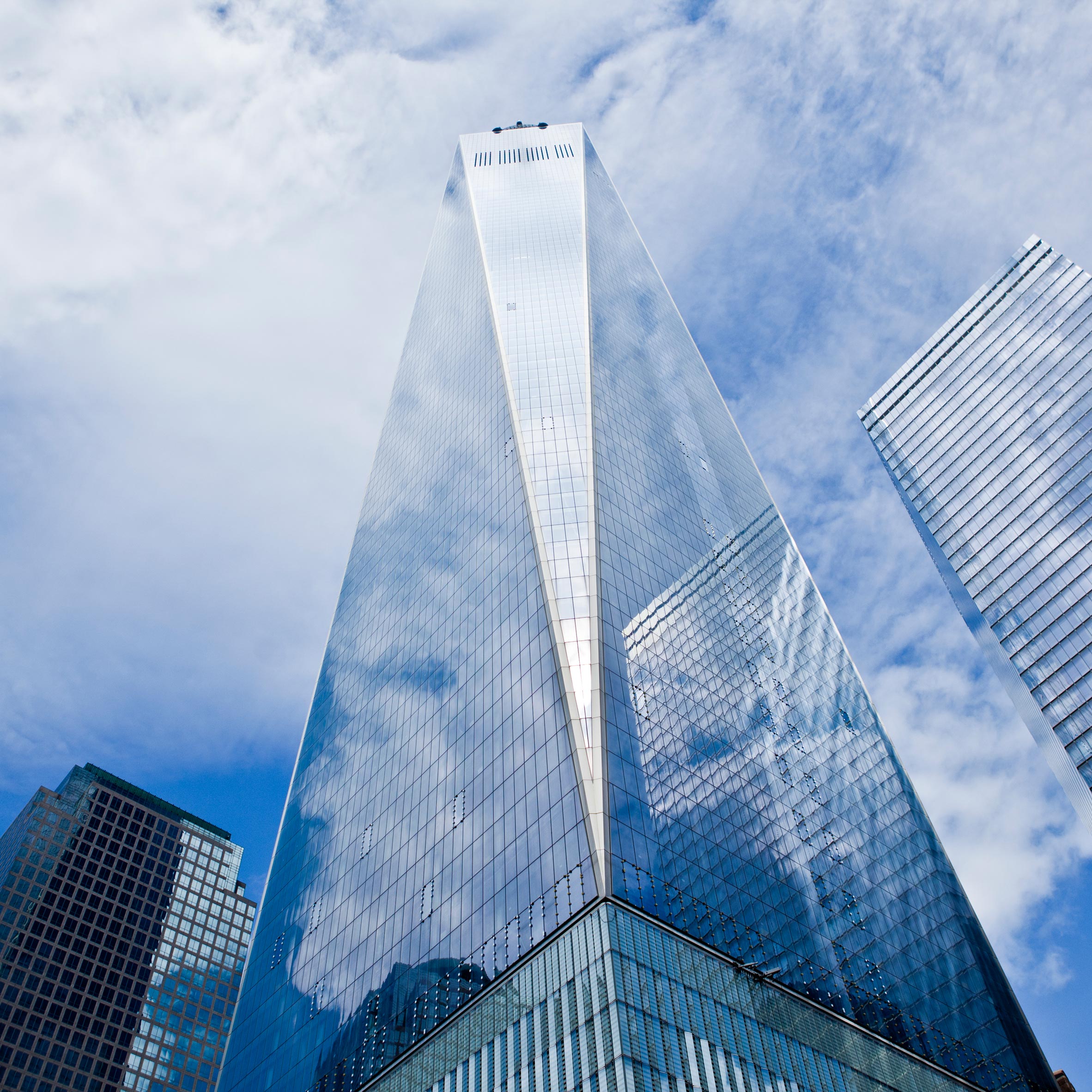
Built on the site of the original World Trade Center towers, One World Trade Center reaches 541 meters to its spire. The original article juxtaposes the destruction of the Twin Towers with the construction of a still taller successor, reflecting on civilization’s persistent drive to rebuild and expand.
5. Lotte World Tower — Seoul
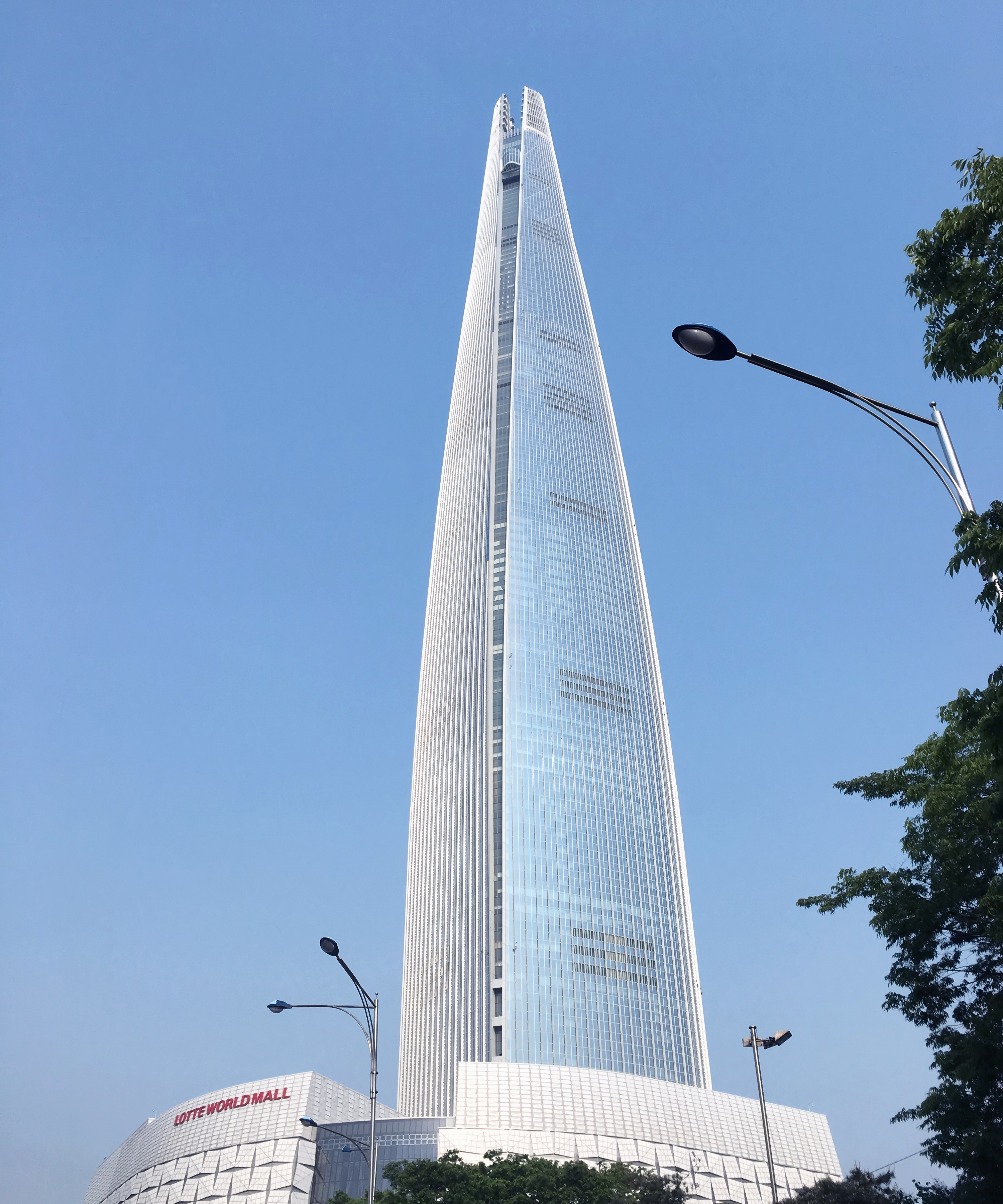
Completed in 2017, the Lotte World Tower reaches approximately 555 meters and contains 123 floors. Its name leads the Italian author to a literary reflection: the Lotte group derives its name from Charlotte in Goethe’s The Sorrows of Young Werther, a striking collision between Romantic literature and global commerce.
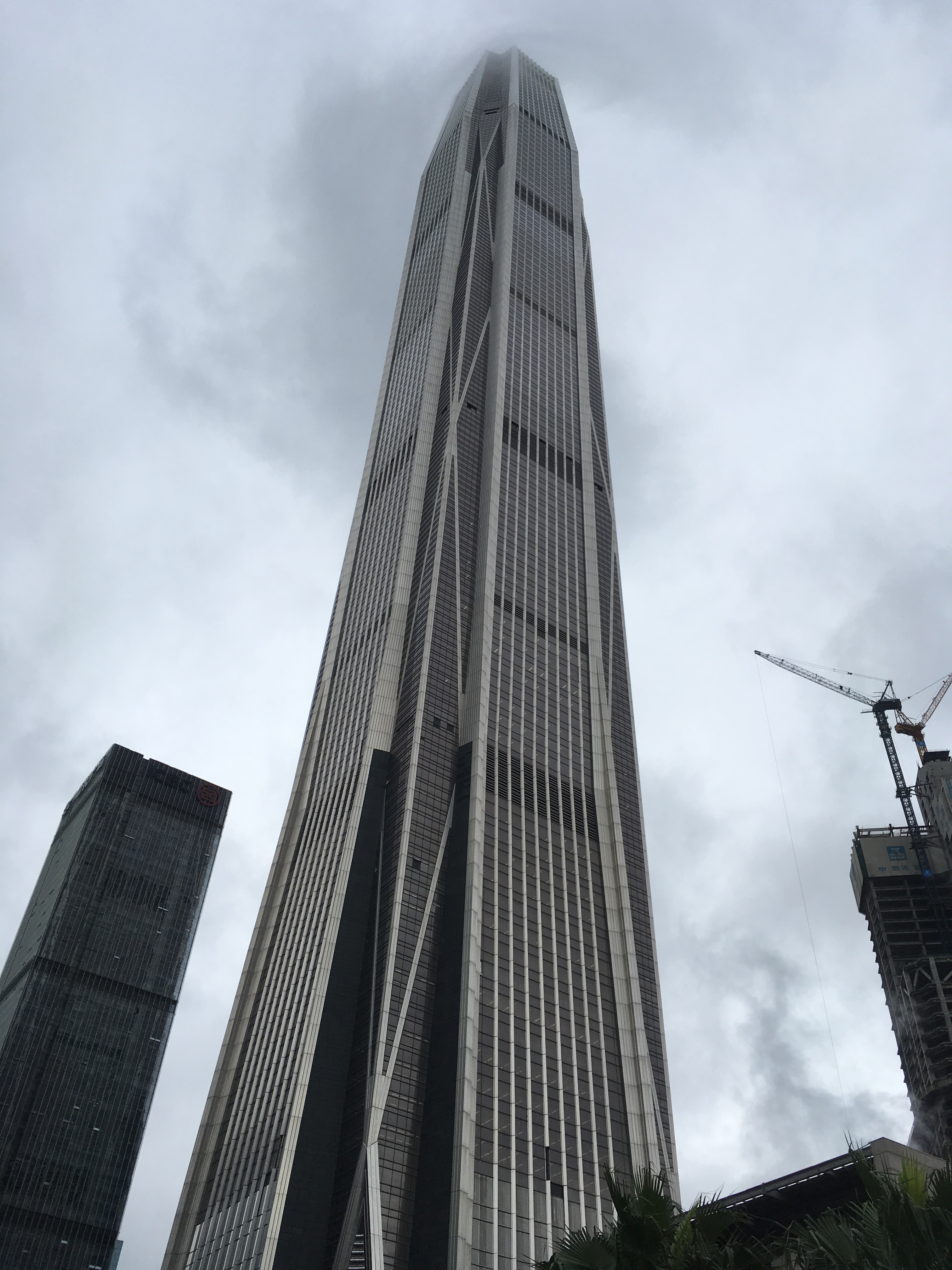
4. Ping An Finance Centre — Shenzhen
Completed in 2017, the 599-meter Ping An Finance Centre was commissioned by Ping An Insurance and designed by the American firm Kohn Pedersen Fox. Its scale exemplifies the global collaboration behind ever-taller centers of finance.
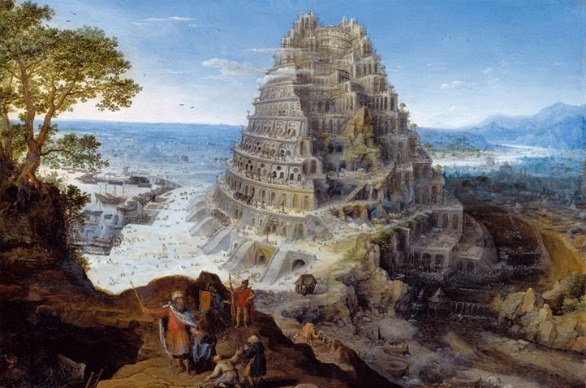
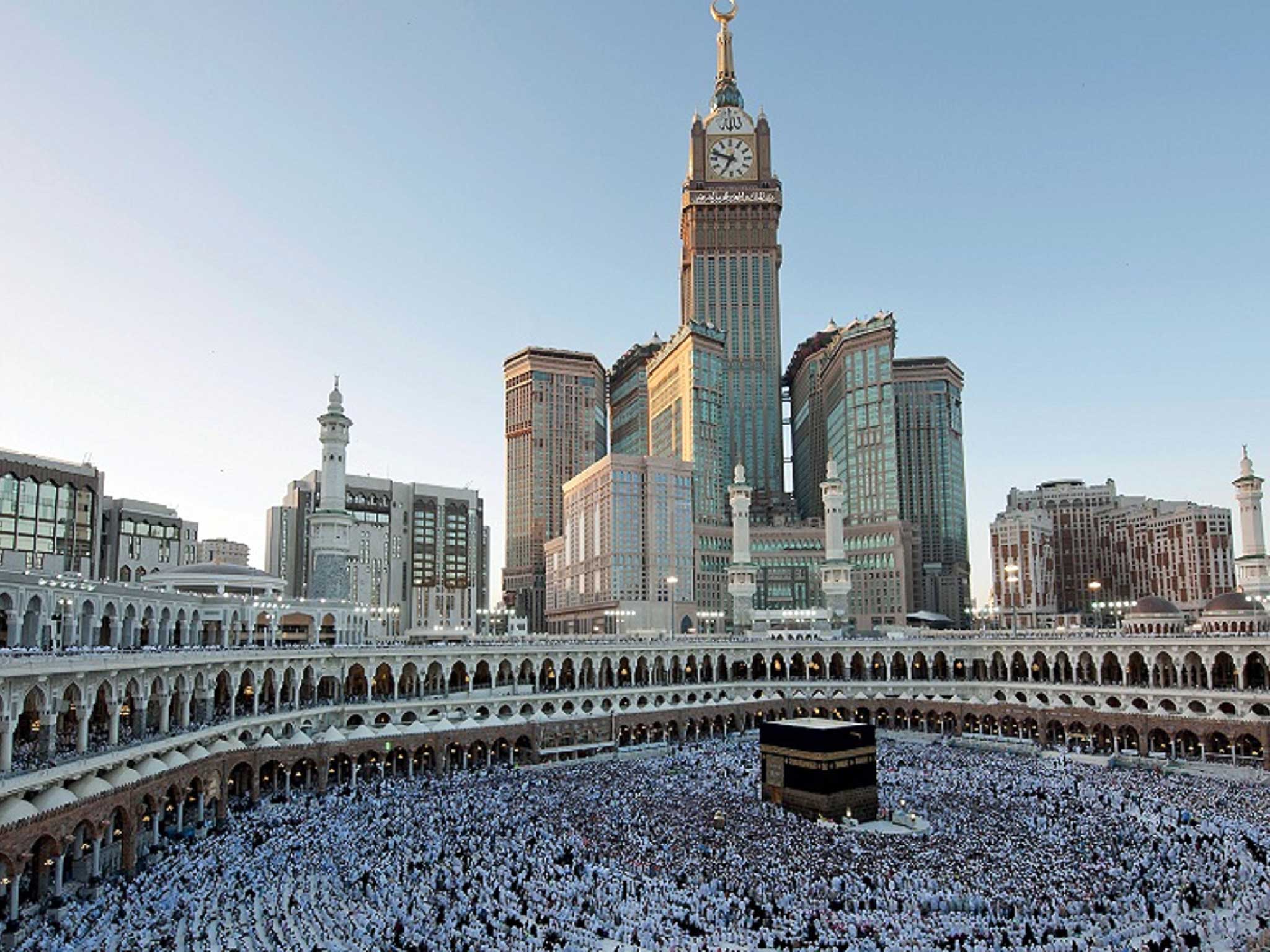
3. Abraj Al Bait — Mecca
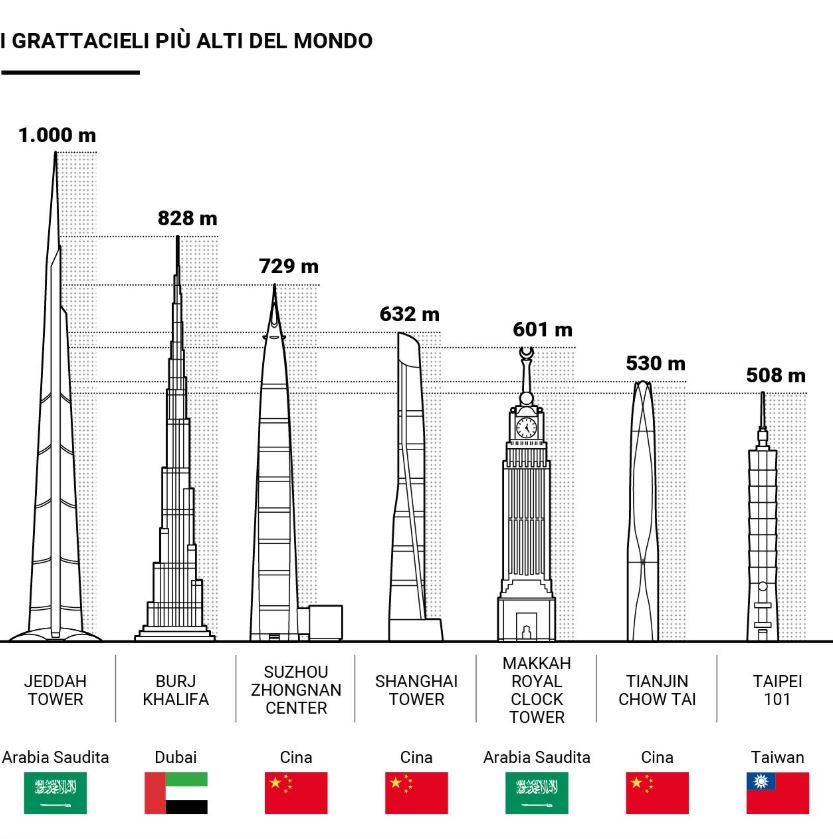
The Abraj Al Bait complex in Mecca contains the 601-meter Royal Clock Tower and stands beside the Grand Mosque. Combining religious proximity, enormous hospitality facilities and monumental engineering, the complex is presented as an example of how no civilization is exempt from the pursuit of expansion.
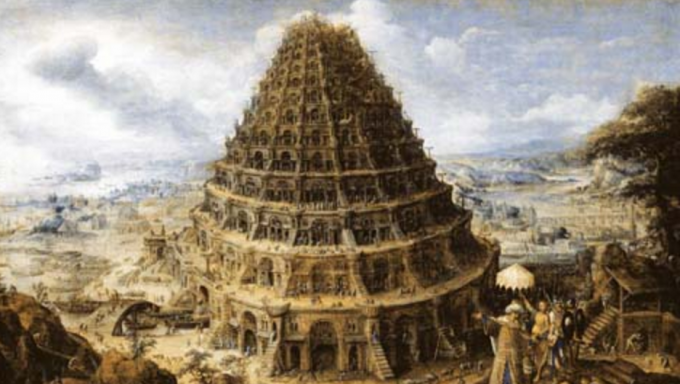
2. Shanghai Tower — Shanghai
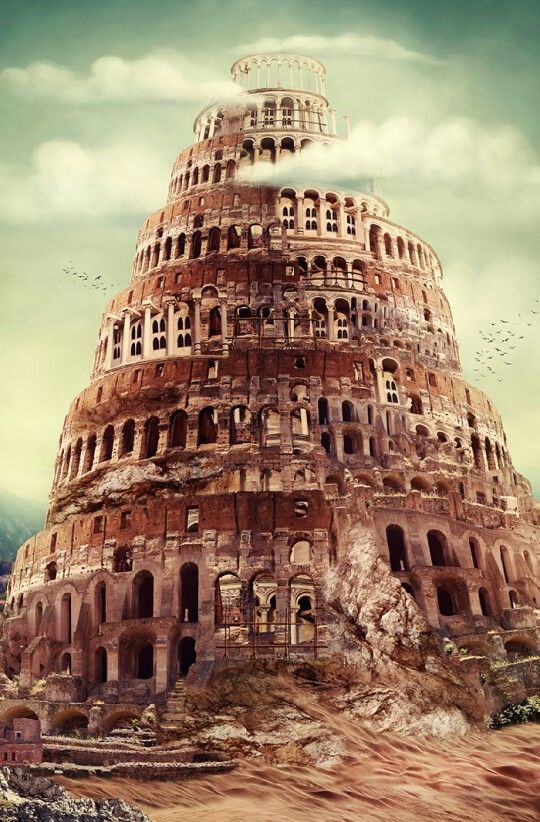
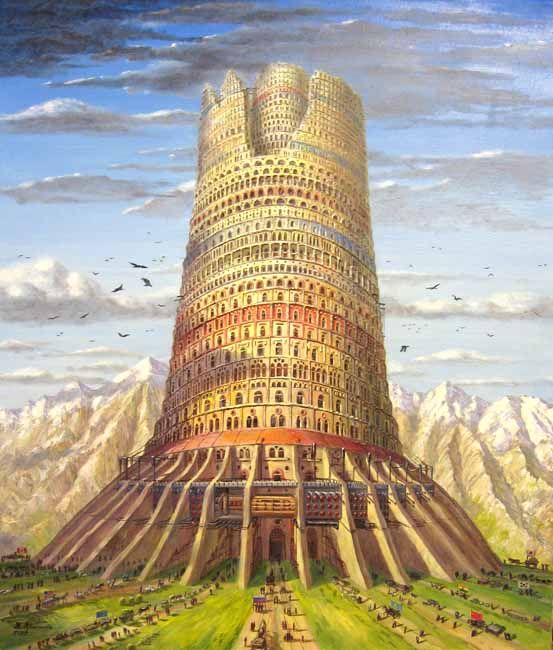
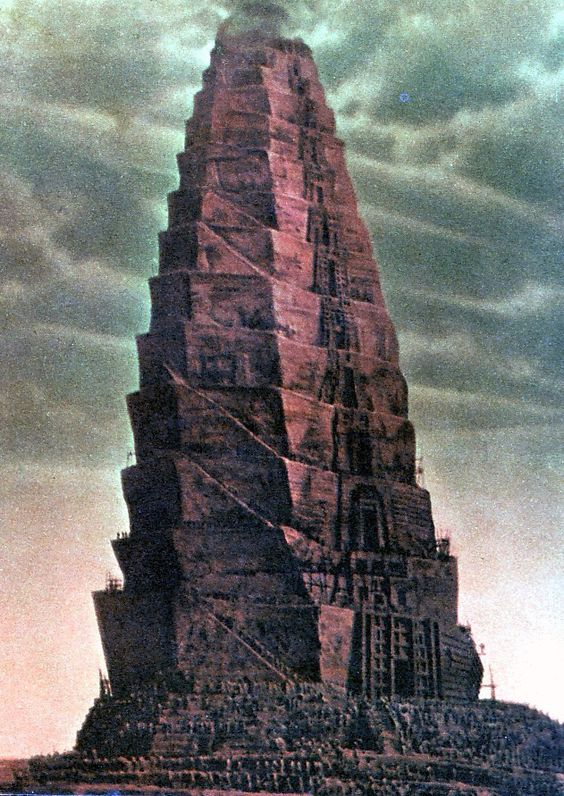
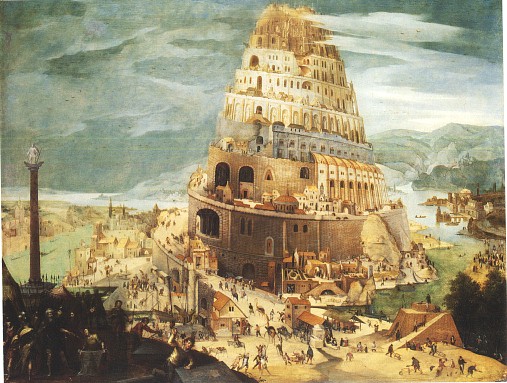
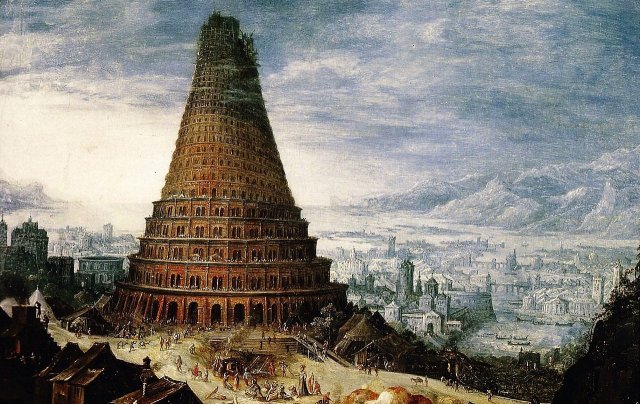
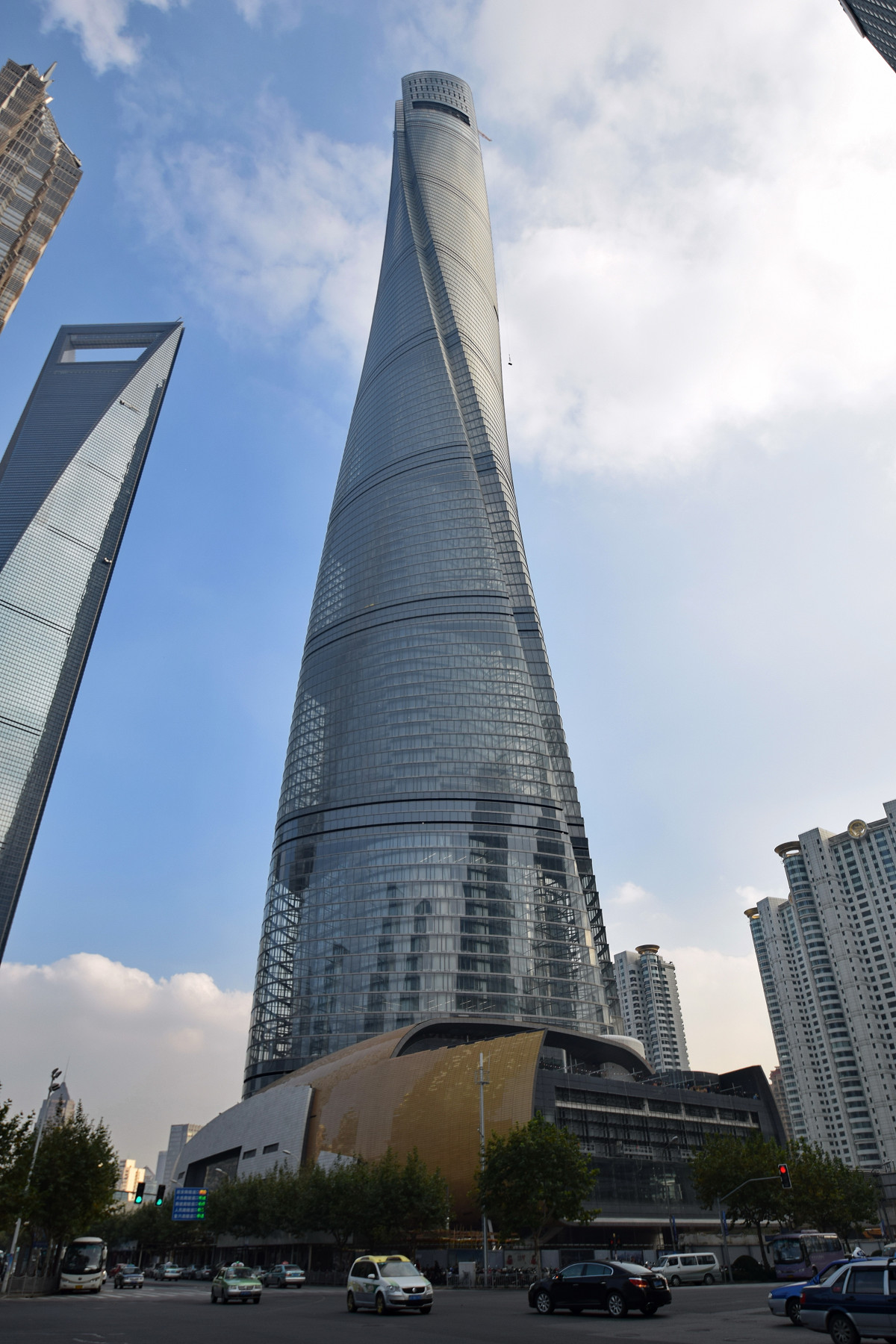
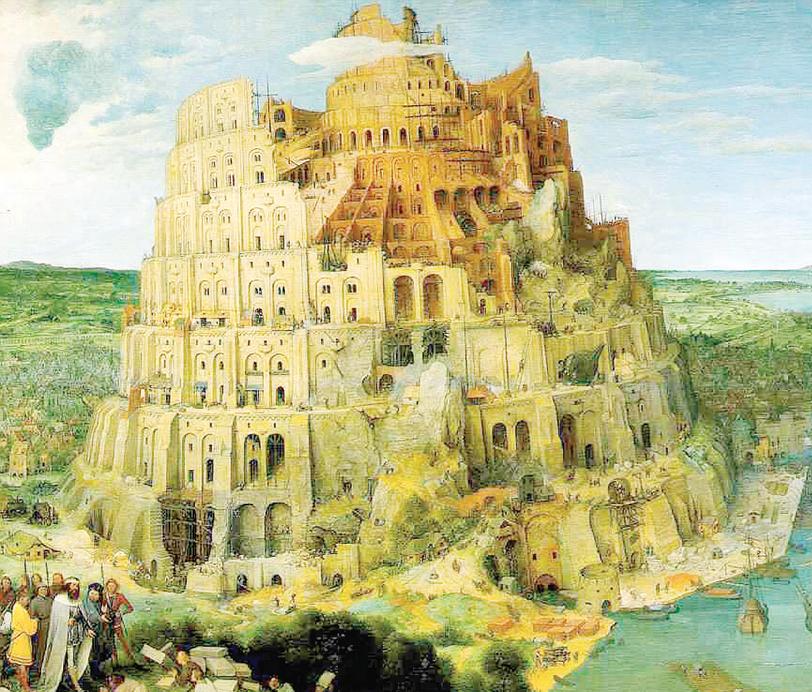
Inaugurated in 2015, Shanghai Tower reaches 632 meters including its architectural top and has 128 floors. Its spiraling glass envelope contains offices, hotel facilities and public spaces: a modern Tower of Babel designed to accommodate thousands of people every day.
1. Burj Khalifa — Dubai
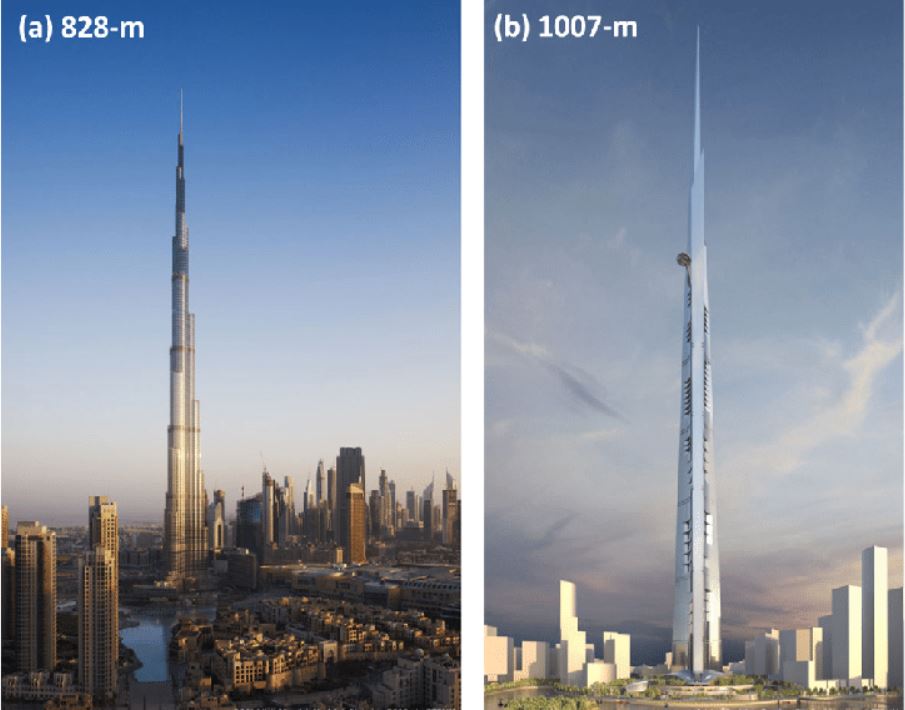
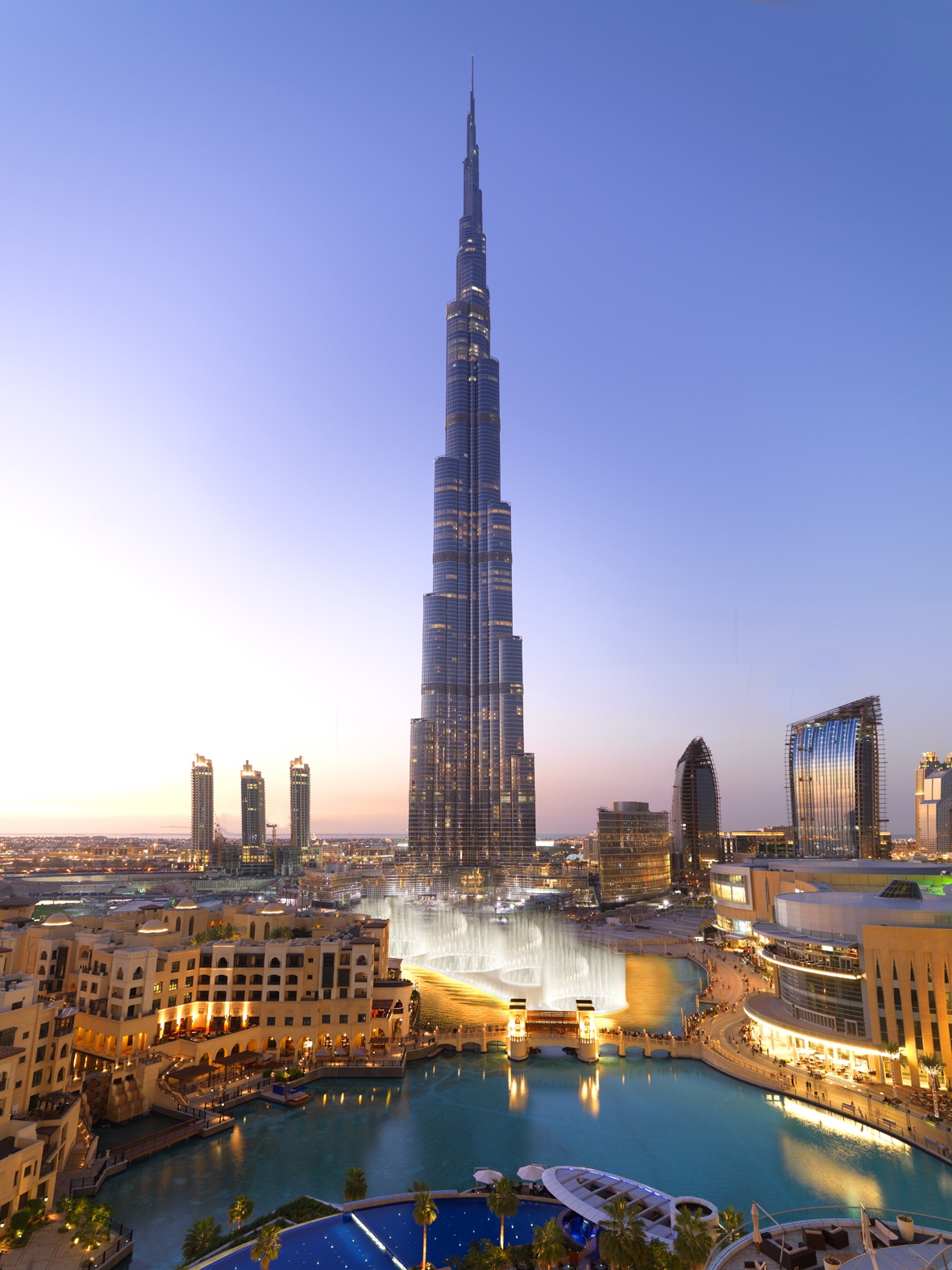
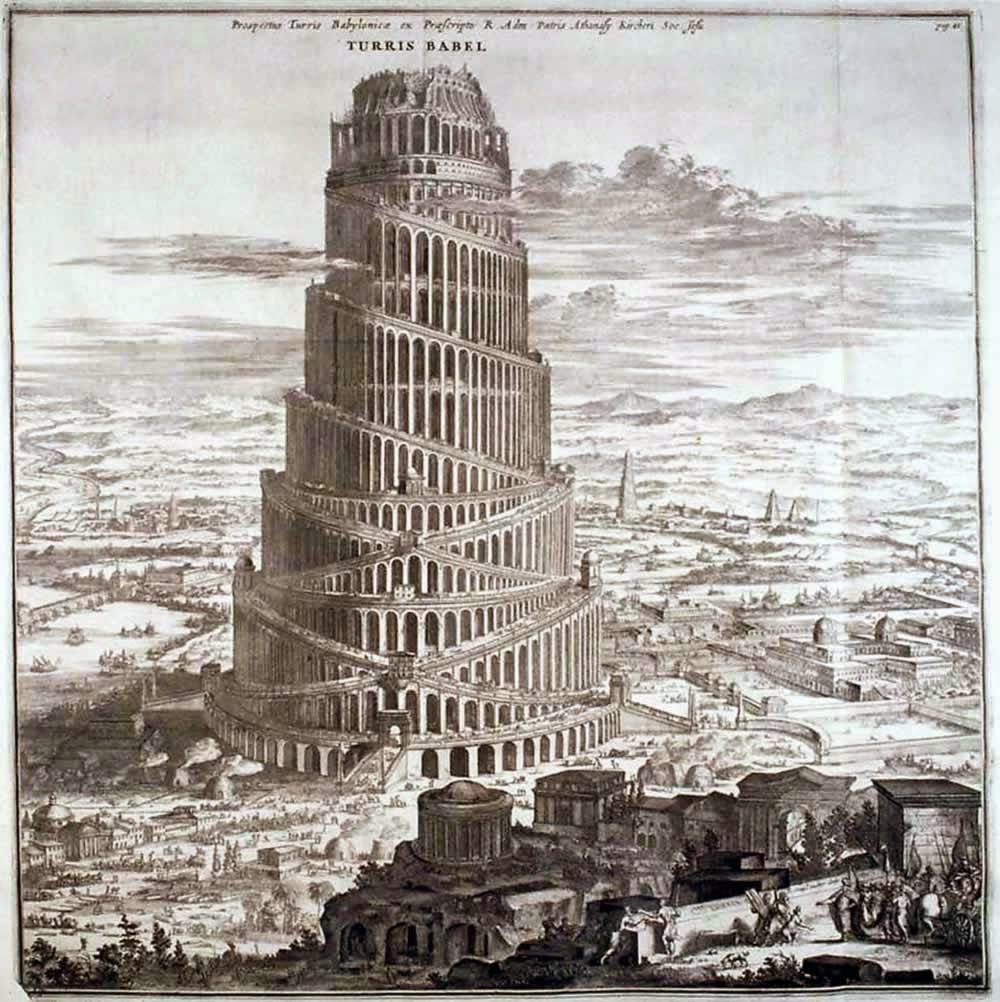
Inaugurated in 2010, the Burj Khalifa rises nearly 830 meters to its architectural top. Designed by an American firm and built through international cooperation, it was the culminating example in the original survey of humanity’s ambition to surpass all previous limits.
Towers of Babel of the Future
In 1957, American architect Frank Lloyd Wright presented an unrealized design for a skyscraper more than one mile (approximately 1,600 meters) high. Known as The Mile High Illinois, or simply The Illinois, the Chicago project envisaged 528 floors, parking for thousands of cars, and helicopter facilities. Had it been built, it would have dwarfed even the tallest completed buildings of the subsequent decades.
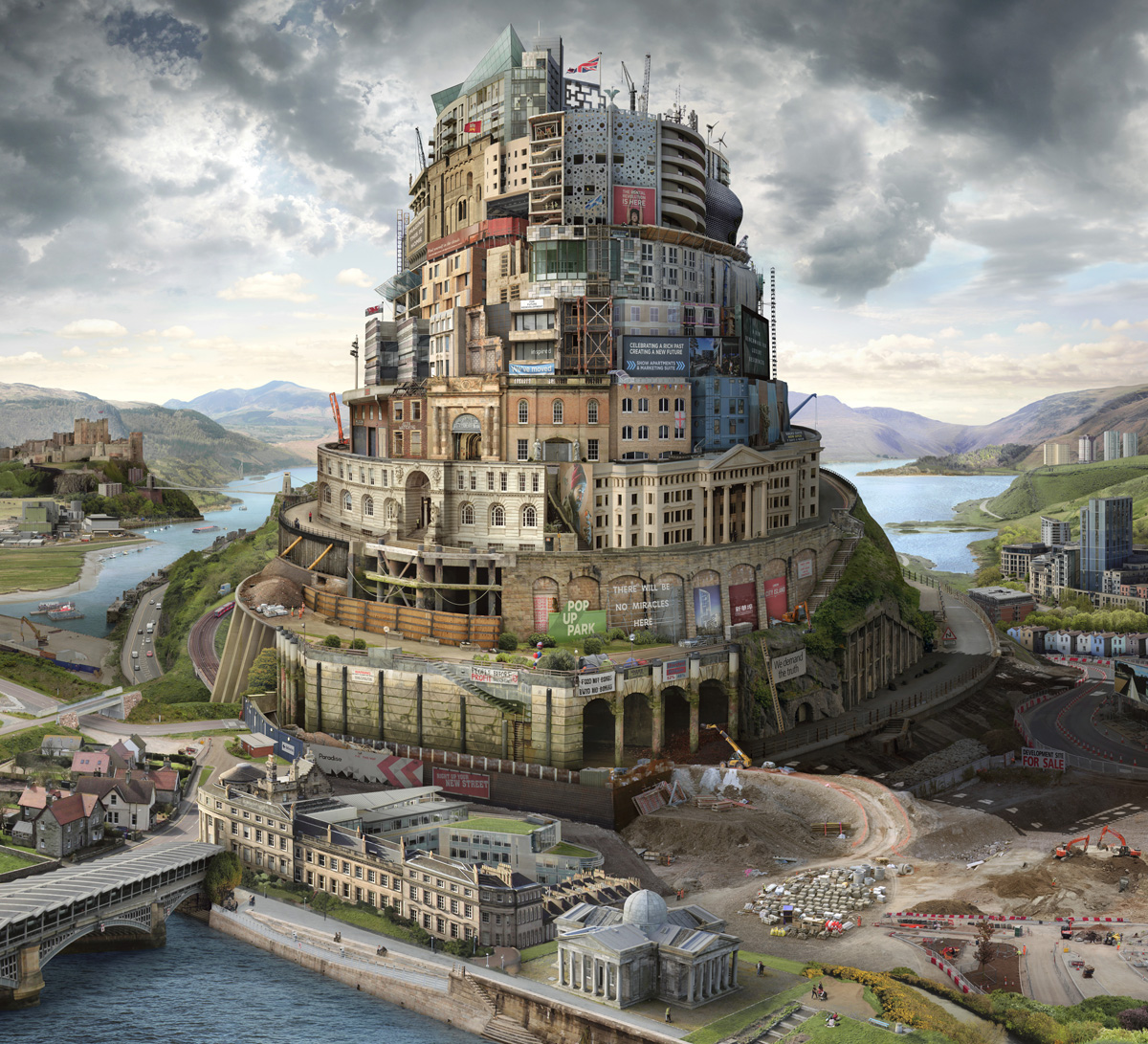
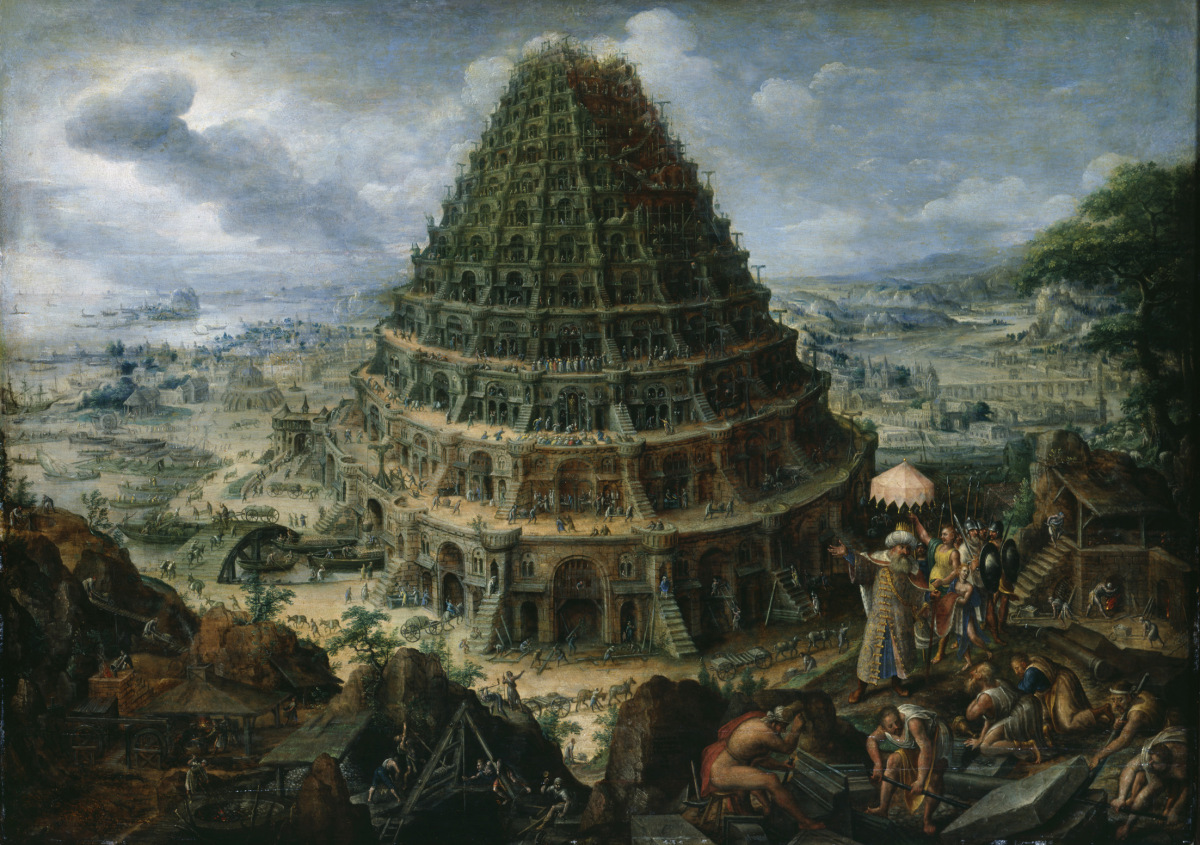
The original Italian archive, written in 2019, then turned to Saudi Arabia’s Jeddah Tower (also known as Kingdom Tower), conceived to exceed one kilometer in height. Designed by architect Adrian Smith, it represented another stage in humanity’s continuing pursuit of architectural records. The images and projections below belong to that historical presentation, rather than an updated account of the project’s construction status.
In the interpretation offered by Cancerism, the drive to surpass each new record embodies a seemingly insatiable will to power and domination.